
Senior Citizens Advisory Board Meeting April 1, 2026: How Longmont is Building for Aging in Place with Meals on Wheels
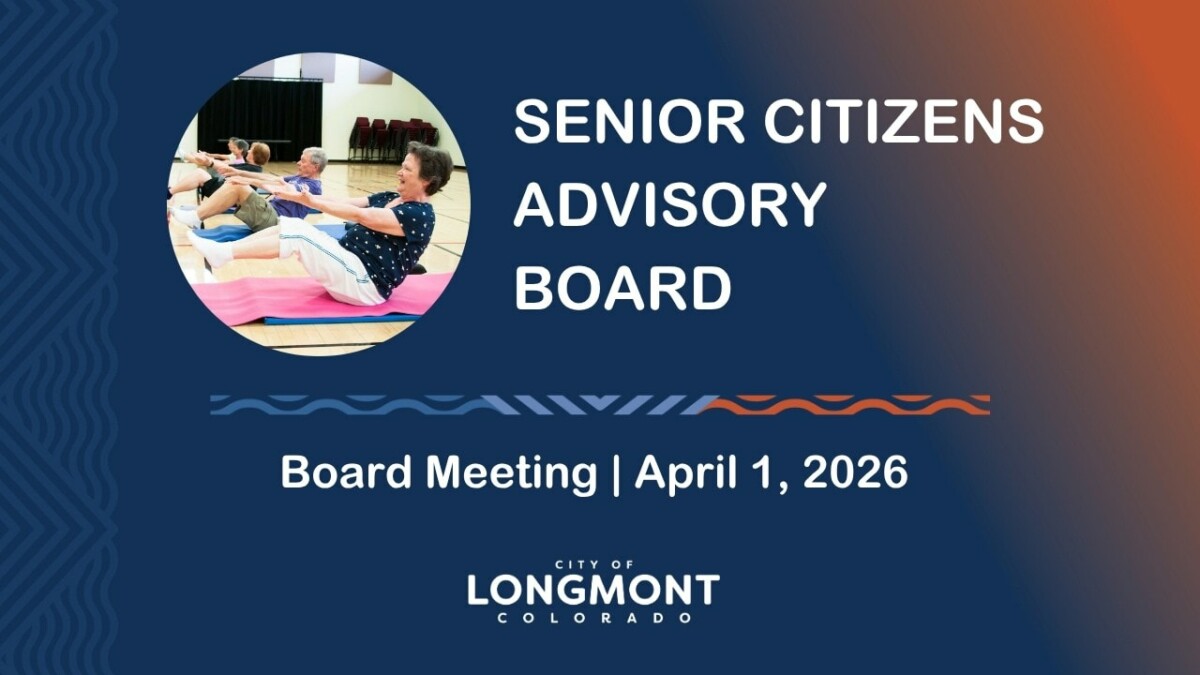
The recent Senior Citizens Advisory Board meeting on April 1, 2026 provided key updates on programs, community priorities, and ongoing initiatives impacting older adults in the area. During the session, board members reviewed current projects, discussed emerging needs within the senior community, and outlined future recommendations aimed at improving services, accessibility, and engagement. This recap highlights the most important takeaways, decisions, and discussions from the meeting.
What is Longmont’s “Aging in Place” Program?
Aging in Place is the goal that senior citizens can continue to live safely and comfortably at home, by specifically addressing widespread issues like food insecurity. While it isn’t a specific program, it draws together several city services and city-supported organizations.
The board meeting centered on Meals on Wheels and the Senior Center’s approach to delivering ready-to-eat meals and wellness checks to homebound neighbors, which both serve to enable aging in place.
Meals on Wheels is independent, local, and built for Longmont’s needs
Katie Weiser from Longmont Meals on Wheels explained that while the term “Meals on Wheels” is widely used, local programs are independent from each other. Longmont’s program has been tailored since 1969 to meet the needs of older adults and homebound neighbors.
Some statistics that show scale and demand:
- 84% of program delivery is home delivered prepared meals.
- Last year the program served more than 134,000 meals to 1,533 people.
- It is the largest meals program outside the immediate Denver metro area in Colorado.
No waiting lists, and pricing that tries to match ability to pay
One of the strongest signals of service commitment is that there are no waiting lists. That is a policy choice, not an accident.
Pricing is another important aspect of Longmont Meals on Wheels. The program uses a sliding scale aligned to what people can pay. When bills are missed, there are direct follow-up calls, and the board discussed how the program responded when more people struggled over the last year, including lowering the lower end of the sliding scale.
That is part of the deeper “aging in place” strategy too. If older adults cannot afford basic necessities like food, they lose stability, health worsens, and isolation increases.
Wellness checks are built around what volunteers can observe at the door
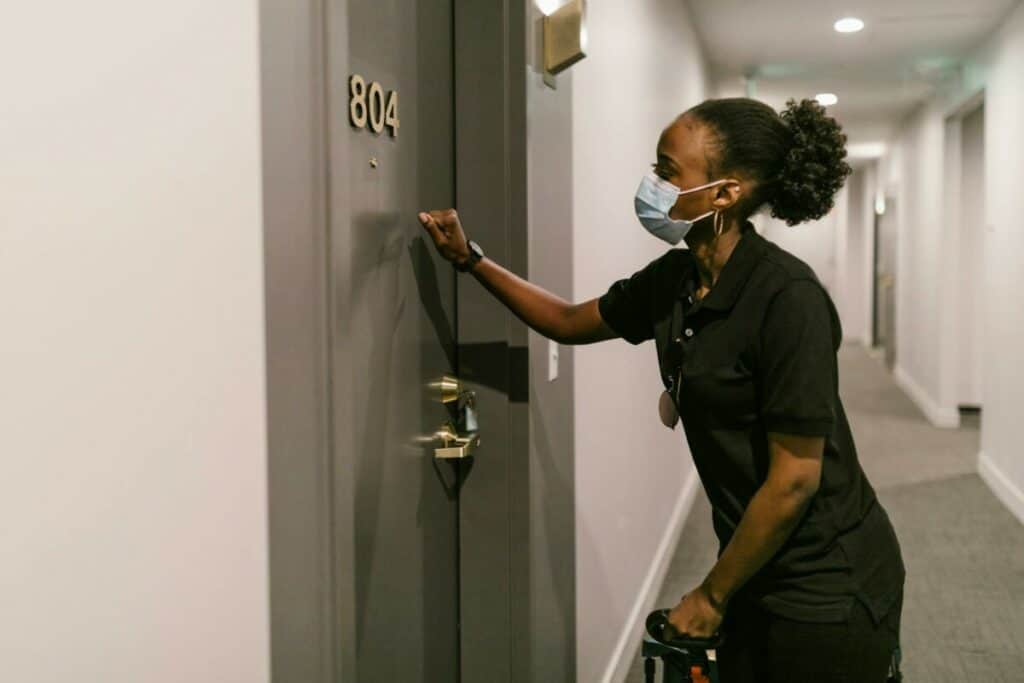
Board members described the wellness check as a daily, practical safety net.
The first part of the check is simple but important:
- Does the client come to the door?
- Or did they leave a cooler with an ice pack, indicating they were away but doing okay?
If neither happens, the response escalates in steps:
- Call the client.
- If needed, contact emergency contacts.
- Call local hospitals to see if someone has been admitted.
- If no information comes back, request an emergency wellness check from the fire department.
Keeping the same delivery routes week after week was described as another critical element. Volunteers build familiarity with patterns of confusion or normal behavior, so a change becomes noticeable. The program is not only about delivering food. It is delivering continuity and relationship.
The partnership with Senior Services is what makes it “daily” rather than “episodic”
Board members emphasized how Meals on Wheels and Senior Services coordinate. The meeting noted that other neighboring “Meals on Wheels” efforts may not have that same proximity to a senior center-based case management system.
The relationship is described as bidirectional:
- Meals on Wheels caseworkers and wellness checks can notice changes and loop in Senior Services.
- Senior Services can help inform outreach and support beyond family members.
This matters because older adults often rely on a mix of informal family caregiving and formal community supports. The meeting made the point that caregiver peace of mind sometimes drives need too, not only medical criteria.
Safety and privacy: How the lockbox program works
The recent meeting also leaned into an issue that everyone feels but few people understand: emergency entry, privacy, and due thresholds.
According to city attorneys, emergency wellness checks involving police and fire have operated under probable cause since about 2014. That impacts what responders can do during an entry situation and why doors are treated differently than people assume.
On its own, the absence of a response to phones calls or door knocking does not justify forced entry into a senior citizen’s home unless there is reason to believe they are injured or suffering a medical emergency. However, it can trigger further investigation and checkups on the individual to ensure that they are ok and can receive any needed care.
To lower risk and clarify response procedures, the board described the Lockbox Program, built as a joint program between Meals on Wheels and the fire department.
How the Lockbox Program reduces emergency friction
- A secure lockbox is provided, similar to lockboxes used by realtors.
- The fire department affixes it to a solid location.
- The code is kept by the fire department, not the service delivering meals.
- The code and key access details are stored in the secure CAD system.
- Friends of the Senior Center may help cover repair costs for doors in cases where entry is required.
Furthermore, if a neighbor notices something concerning on a weekend when Meals on Wheels is not delivering, the fire department can check whether a lockbox is on file and respond accordingly.
And importantly, the meeting noted that this program can be offered even to people who are not receiving meals, allowing them to be “faux clients” in a safety system built around urgent wellness checks.
Food security at the Senior Center: Not only meals, but reduced isolation
Meals on Wheels supports home delivered meals. But the Senior Center also operates a lunch program. The meeting described pricing and operations tailored around how people feel after the pandemic.
Lunch is offered for 55 and older and their guests. It is described as:
- Monday, Tuesday, Wednesday: first meal free, subsequent meals $2
- Thursday, Friday: meals $2
- Salad and soup offerings on Thursday and Friday
- Meals can be taken to go for those who prefer lower stimulation
After the pandemic, there was mention of hesitancy to gather. The Senior Center shifted toward word-of-mouth marketing and now some days hit capacity. Overflow rooms are used on louder days, which shows the service is adapting to sensory comfort, not only logistics.
Meals on Wheels also noted it delivers frozen meals for evenings and weekends to people who need support and lack local resources to prepare food.
Finally, one last operational detail stands out: the program reported being busy enough that it needed to evaluate where to scale back or potentially expand, while maintaining priority for homebound, isolated individuals.
Project Homecoming
The board announced another approach designed to reduce stigma and make service feel more accessible. Project Homecoming is described as available to people returning from:
- Hospital stay
- Outpatient treatment
- Dental surgery
- Rehab facility
For the first five meals after returning home, meals are free. After that, the program places people on the same sliding scale for home delivery. For individuals under 55 with longer-term health issues, a doctor’s note may be requested, but the program considers it a “benefit” note rather than something requiring a HIPAA environment.
The program addresses an important point: people often underestimate how hard it is to resume daily routines after medical care, even if they believe they have a plan.
Project Homecoming was also described as a way to let people “try it” without stigma. The speaker framed Meals on Wheels as being perceived by some people as institutional or tied to strict funding rules, which can affect meal quality expectations. Project Homecoming helps lower that barrier while still connecting people to ongoing support if they need it.
Volunteers are the backbone of Meals on Wheels
Meals on Wheels emphasized that the program is volunteer heavy. With 30 routes around Longmont and surrounding areas, the program needs consistent volunteer delivery schedules.
The meeting highlighted staffing targets:
- 30 volunteers per day for home delivery routes
- 5 to 6 substitute volunteers to fill in as needed
- Background checks for volunteers due to serving vulnerable populations
Substitute needs are especially critical during:
- Summer vacations
- December and January holiday periods
The program also described kitchen volunteer work as a larger commitment and explained why: a small commercial kitchen environment requires packaging tasks to be done efficiently.
Meals are prepared in a commercial kitchen environment with oversight by the Boulder County Health Department, and the kitchen tray and sealing system is part of that workflow. The meeting mentioned it is very rare to outsource meals except for staffing vacations or equipment issues, because the system is designed to be reliable.
Senior employment and volunteer pipelines: making opportunities easier to find
Employment and volunteer engagement came up as another major “infrastructure” topic. The board discussed improvements to the senior employment webpage on the broader Longmont Colorado website.
What was proposed
- More exposure for employment signups, including linking from the newsletter signup page.
- Adding an additional webpage box for the Senior Drop Site that would include options like volunteering and employment.
- Linking to the city employment page once it is updated.
- Promoting a workforce workshop at Boulder Workforce and distributing flyers after they arrive.
- Keeping the possibility of a job fair for the fall as a tentative plan.
The board discussed internal-first website improvements first, then external expansion later. That matters because older adults need channels that reduce friction. When opportunities are hard to find, they do not exist in practice.
Legislation that could expand opportunity for older workers
The meeting included legislative monitoring of a specific House bill, identified as HB 26 10 30 (as referenced in the meeting). The described goal was increasing participation and representation for people over 60.
The speaker described it as requiring data collection meetings, reporting to relevant councils, and use of that information to identify employment and education opportunities for older adults. It was described as having no fiscal note, which was framed as an encouraging sign for feasibility in the state budget environment.
Beyond the legislative summary, the board discussion tied it to something deeper: better data improves policy decisions, and data tracking should be built into systems rather than relied on informally.
Senior Services FAQ
What is the Lockbox Program mentioned in the meeting?
It is a joint program between Meals on Wheels and the fire department where a secure lockbox is affixed to a person’s property. The fire department keeps the code in a secure system, allowing emergency responders to enter appropriately during a wellness check while respecting the probable cause thresholds for emergency entry.
What triggers a wellness check when someone is a Meals on Wheels recipient?
Volunteers look first for the client coming to the door or leaving a cooler with an ice pack. If neither is observed, the program escalates by calling the client, then emergency contacts, then local hospitals, and if needed requests an emergency wellness check from the fire department.
Does Longmont Meals on Wheels have a waiting list?
No. The meeting stated that the program has no waiting lists.
What is Project Homecoming?
Project Homecoming provides the first five meals after someone returns from hospitalization or certain outpatient or rehab situations. The goal is to reduce barriers and stigma while supporting recovery at home, then placing people on a sliding scale after the initial five meals.
How is the board planning to communicate with City Council?
The board planned a short slide presentation for City Council in June focused on food security work at the food table, outreach, and employment initiatives. The meeting also emphasized improving “big picture” messaging and creating leave-behind fact sheets to help council members remember key points.
Why did the meeting emphasize data and surveys?
Because advisory recommendations need a reliable picture of what older adults experience, where services are working, and where gaps might exist. The meeting discussed both existing data packets and re-administering a prior survey structure to gather themes with minimal survey fatigue.
Key takeaways: Longmont’s approach to Senior Wellness
- Food security is part of resilience. It is linked to health, stability, and aging in place.
- Wellness checks are relationship systems. Consistent routes and familiarity allow changes to be noticed early.
- Safety depends on governance. Probable cause thresholds and the lockbox program balance privacy and emergency responsiveness.
- Stigma reduction is a design choice. Programs like Project Homecoming make services easier to accept.
- Council communication needs structure. A few memorable points, leave-behinds, and slide-based clarity help turn board learning into policy influence.
- Data and outreach must align. The board is actively trying to connect advisory board observations with citywide analytics.
Most importantly, the meeting showed that “aging in place” is not a single lever the city pulls. It is a network of meals, volunteers, case management, privacy-respecting safety protocols, and a steady effort to bring the right voices into the decision-making room.
If you are looking for where to plug in, the meeting itself points toward it: volunteer delivery routes and substitutes, kitchen help, and advocacy through clear, memorable messaging that can actually reach council in time to inform priorities.