
How Was the 1.7-mile Eisenhower Tunnel Built?
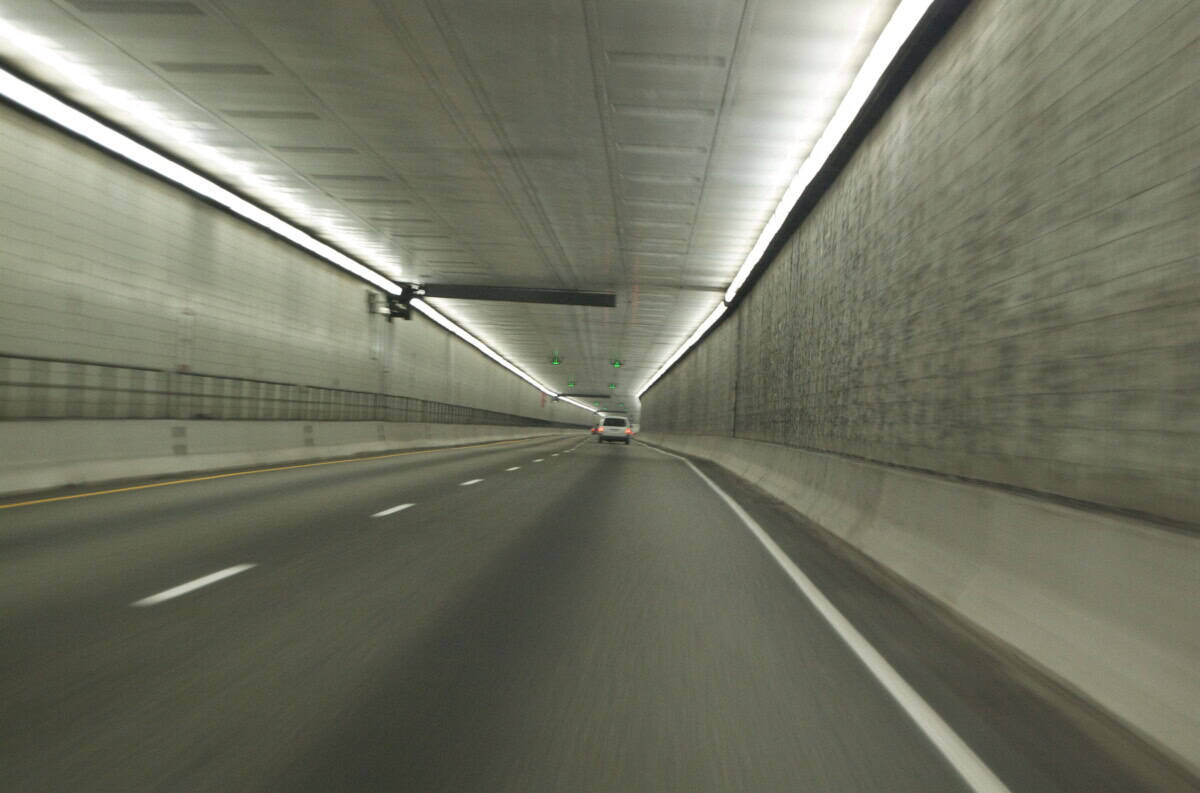
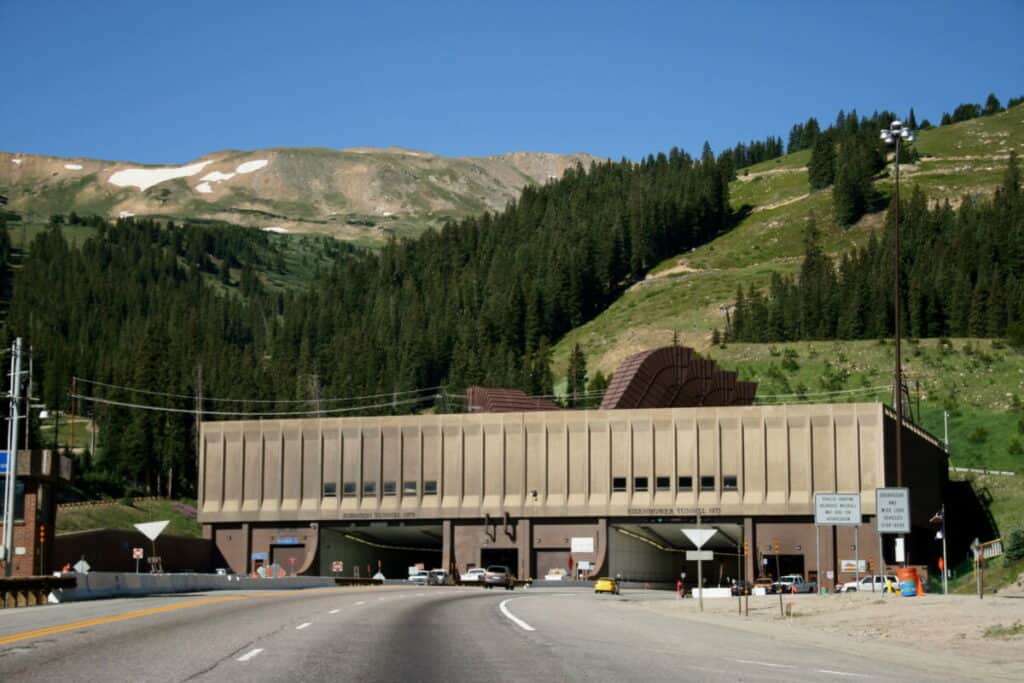
The Eisenhower Tunnel is one of Colorado’s most important engineering achievements and a vital passage through the Rocky Mountains. Located on Interstate 70, it spares travelers the winding and often treacherous Loveland Pass. The Eisenhower Tunnel sits at an impressive Eisenhower Tunnel elevation of 11,158 feet above sea level. With its strategic Eisenhower Tunnel location, this structure has become an indispensable link between eastern and western Colorado, shaping both the state’s transportation history and its modern travel routes.
The Vision and Planning
Early Proposals in the 1950s
The idea for the Eisenhower Tunnel began in the mid-20th century as Colorado searched for a safer alternative to the hazardous Loveland Pass. Frequent closures and treacherous driving conditions highlighted the need for a permanent solution. Engineers and planners envisioned a tunnel that could cut through the mountains and provide year-round access. During this phase, the project was originally called the Straight Creek Tunnel, named for the watershed on its eastern side.
Political and Financial Backing
Momentum grew under Edwin Johnson, a Colorado governor and U.S. senator who championed the interstate system. By the 1960s, both state and federal governments secured funding, turning the ambitious concept into a project that would transform travel across Colorado.
Engineering Challenges
High Elevation Obstacles
Constructing the Eisenhower Tunnel at more than 11,000 feet posed extreme difficulties. Crews worked in thin air, battling cold temperatures, heavy snowfall, and unpredictable mountain weather. The high altitude slowed progress and made even routine tasks exhausting.
Fault Lines and Granite
Engineers relied on the drill-and-blast method to carve through solid granite. This approach demanded precision and strength, yet unforeseen fault zones added danger and delay. Each shift required constant adaptation to new geological surprises inside the Continental Divide.
Human Impact
Many workers labored in rotating shifts around the clock. The effort came with costs, as some lives were tragically lost during construction. Yet the project also made history when Janet Bonnema, once barred due to gender, fought and won her right to work inside the tunnel, marking a turning point for women in engineering.
Tunnel Design & Operations
Dimensions and Layout
The Eisenhower Tunnel is made up of two distinct bores, each measuring about 1.7 miles in length. The westbound Eisenhower Bore, named after President Dwight D. Eisenhower, and the eastbound Johnson Bore, named after former Colorado governor and U.S. senator Edwin C. Johnson, work together to carry traffic safely through the Continental Divide. Inside, drivers travel through twin two-lane passages that support both passenger vehicles and commercial trucks, making this tunnel one of the most vital highway connections in the Rockies.
Ventilation & Safety
Keeping travelers safe requires advanced systems. A sophisticated ventilation network maintains air quality by reducing exhaust buildup, while overhead sprinklers and suppression systems are ready to control fires. Continuous monitoring tracks toxic gases such as carbon monoxide to prevent dangerous buildups.
Maintenance & Monitoring
Operations never stop. The tunnel is staffed around the clock to ensure safety and reliability. Crews handle snow removal, tunnel washing, and emergency response, keeping traffic moving smoothly even in harsh mountain conditions. Their dedication helps maintain one of Colorado’s busiest corridors, ensuring it remains open year-round.
Modern Role and Legacy
Gateway Through the Rockies
Today, the Eisenhower Tunnel stands as a true gateway through the Rockies. By cutting beneath the Continental Divide, it eliminates the need for the steep and hazardous Loveland Pass and carries millions of vehicles annually, from daily commuters to cross-country travelers.
Cultural & Economic Impact
The tunnel reshaped Colorado’s economy, fueling tourism and commerce. It opened access to thriving ski resorts and boosted freight efficiency. Mountain towns rely on this link for both visitors and supplies, underscoring its regional importance.
Continuing Maintenance
Even decades later, construction & tunnel repairs remain constant. Safety and access are monitored through the Eisenhower Tunnel webcam, while motorists are urged to check the weather in the pass before traveling. This vigilance keeps the corridor reliable year-round.
Visitor Tips & Fun Facts
Traveling through the Eisenhower Tunnel offers more than just a quick route, it’s an experience. At peak Colorado wildfire season, temporary closures may occur, so planning ahead is essential. Beyond its vital role in transportation, the tunnel has earned a lighthearted nickname as the “world’s longest bathroom,” thanks to its porcelain tile walls. Nestled entirely within the Arapaho National Forest, it also spans two different counties. For those seeking adventure, a scenic day trip from Longmont could pair the tunnel drive with ski towns, the Black Canyon of the Gunnison, or excursions towards the Colorado River.
FAQs
How long is the Eisenhower Tunnel?
The Eisenhower Tunnel length is 1.7 miles, with each bore measuring just under that distance.
What is the Eisenhower Tunnel elevation?
It reaches an impressive 11,158 feet, making it one of the highest vehicular tunnels in the world.
Where is the Eisenhower Tunnel located?
The tunnel sits along Interstate 70, west of Denver, connecting Clear Creek and Summit counties.
How long did it take to get it built?
Construction on the westbound bore ran from 1968 to 1973, while the eastbound bore was completed in 1979.
Can hazardous materials go through the tunnel?
Generally no. Hazmat vehicles are routed over Loveland Pass, unless weather forces temporary exceptions.