
How A Colorado nonprofit is turning volunteer Work into large-scale land recovery
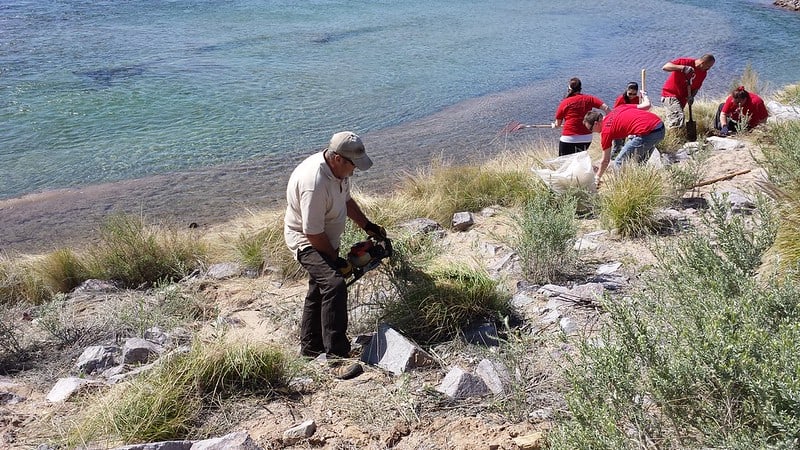
Every year, thousands of Coloradans spend a day, a weekend, or a season doing hands-on ecological repair work: pulling invasive weeds, planting trees, rebuilding stream banks, thinning fire-prone forest. Much of that work runs through Wildlands Restoration Volunteers, or WRV, a Colorado nonprofit founded in 1999 that now completes roughly 200 restoration projects a year, almost entirely with volunteer labor.
Staff coordinate logistics, safety, and training, but the digging, planting, hauling, and collecting is done by volunteers spanning a wide range of ages and experience levels. Some show up once a year; others join dozens of projects in a season. WRV frames its mission as two-sided — ecological restoration and community-building — arguing that volunteers who feel welcome are more likely to keep coming back, which is what keeps a 200-project calendar staffed.
Who can volunteer with WRV?
WRV places few restrictions on who can participate: past projects have included children under 10, volunteers in their 80s, first-timers, and veteran land stewards. Projects vary widely in physical demand, from full-day trail crews to lower-intensity work like seed collection, landscaping, and food preparation for overnight trips. Each project listing describes the expected difficulty in advance, and WRV provides safety instruction and tool training on-site — no prior experience is required. (Readers looking for a different kind of local volunteer work can also check out the Longmont ICO’s volunteer program and other opportunities to volunteer in Longmont.)
The types of restoration projects WRV supports
The organization’s work spans several program areas.
- Habitat restoration projects target ecosystems disrupted by invasive species, development, or disaster, with volunteers planting native vegetation, removing weeds, and collecting native seeds.
- River and wetland restoration includes post-flood repair and longer-term wetland work, such as beaver dam analogs — human-built structures that mimic the water-slowing effects of natural beaver dams and can also help reduce wildfire risk.
- Post-fire recovery and fire mitigation work has grown alongside Colorado’s fire seasons, and includes certified chainsaw crews thinning dense forest stands.
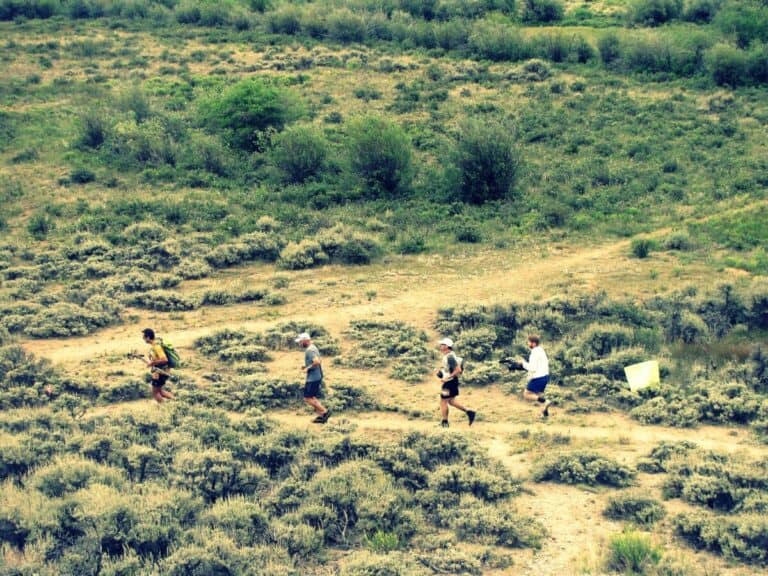
- Trail work aims to improve access while limiting erosion from informal routes.
And youth and family projects — now one of WRV’s largest program areas — extend the group’s reach into local parks and urban tree canopy, with projects run in Longmont, Adams County Open Space, and Commerce City.
Volunteer opportunities throughout the season
The main season for wildland restoration runs roughly from March or April through November, with projects most weekends and additional weekday options; overnight camping projects typically run from late May through early October. WRV also runs shorter Base Camp projects out of its office — including native landscaping and food-prep sessions for upcoming trips — as a lower-commitment entry point.
Despite the full calendar, WRV says it needs volunteers consistently. Demand is uneven: projects near Longmont tend to fill quickly, while sites roughly 45 minutes west near Button Rock in Lyons, and camping projects generally, often need more people. Spring projects fill fastest; by fall, turnout often drops even as need increases, particularly for time-sensitive seed collection.
Leadership, funding, and outreach
WRV also runs leadership training for volunteers who want more responsibility, preparing people for roles such as crew leader, technical advisor, or overnight cook — a pipeline the organization says helps it expand capacity without adding paid staff.
Like most nonprofits, WRV depends on volunteers, funding, and public awareness. Funding comes from individual donors, family foundations, grants, and agency partnerships — sometimes government agencies contract directly with WRV to supply a volunteer crew for a project that would otherwise take a small staff team a month or more. That money covers costs that aren’t visible on a project day: coordination, training, materials, transportation, and food. WRV does not have a dedicated marketing staffer, according to the organization, so outreach leans heavily on local events, social media, and word of mouth.
Getting Started with Wildland Restoration
WRV Community Outreach Coordinator Adam Fideski recalled his first overnight project with the organization, a wet meadow restoration build near Walden in North Park, where the crew got caught in hail roughly half a mile from shelter. He said the shared experience of getting through it became part of what made the trip memorable — a dynamic he said isn’t unusual among WRV volunteers, where rough conditions often become the stories people tell afterward.
Fideski’s own path into environmental work didn’t start in childhood. He grew up near Chicago and got into trail projects through a geography club at Southern Illinois University, near Shawnee National Forest — an interest that eventually became a career in environmental education. He cited that experience as evidence that a lifelong outdoors background isn’t a prerequisite for getting involved.
WRV staff also draw a distinction between a one-off volunteer shift and what they call service learning: participation that includes understanding why the work matters, not just completing it. To get involved, visit wrv.org to see the project calendar.
Frequently Asked Questions
Do I need experience to volunteer?
No. WRV says it provides the safety information, tool instruction, and guidance needed for each activity.
Are projects only for people who can do strenuous labor?
No. Options range from trail work to seed collection, landscaping, and food preparation, with difficulty listed per project.
Can children and older adults participate?
Yes. Past projects have included volunteers under age 10 and in their 80s.
When does the season run?
Roughly March or April through November, with projects most weekends plus weekday and Base Camp options.
Do I have to commit regularly?
No. Most projects are one-time commitments.
How can I support WRV without attending a project?
Through donations, and by sharing information about volunteer opportunities with others.