
Longmont Organizations Unite to Bring Music and Joy to Memory Care Residents
For many older adults living with cognitive impairment, music remains one of the most reliable sources of comfort, connection, and joy.
Even as other memories fade, familiar melodies and gentle rhythms often awaken recognition, ease anxiety, and create moments of emotional clarity. Research supports what caregivers witness every day: music can improve mood, reduce agitation, and spark meaningful engagement for people living with dementia.
Longmont Symphony Orchestra and Balfour Longmont collaborate to Offer a Pre-Concert Dress Rehearsal to Memory Care residents
Those benefits were at the heart of a recent Longmont collaboration designed to make live orchestral music accessible and enjoyable for memory care residents.
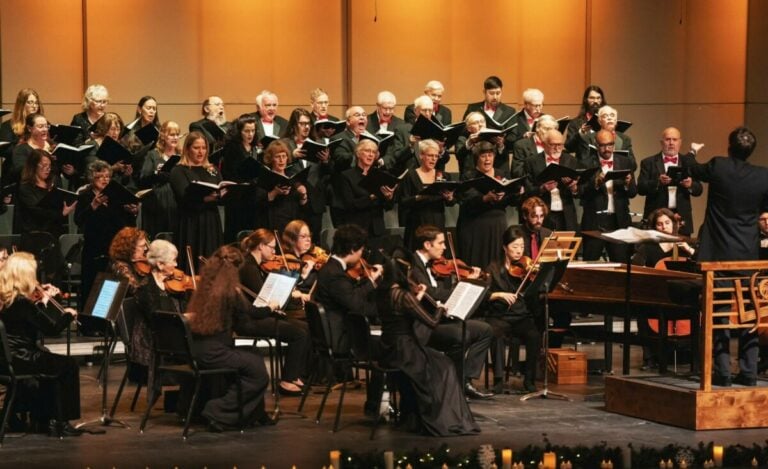
The Longmont Symphony Orchestra recently welcomed a small group of Balfour Longmont’s memory care residents to its pre-concert dress rehearsal. The visit provided residents living with cognitive impairment a chance to experience live orchestral music in a calm, flexible environment tailored to their needs.
Residents were invited to settle in, listen at their own pace, and enjoy an intimate preview of the evening’s performance featuring violinist Sharon Roffman.
Studies from leading dementia research centers have shown that music therapy can enhance cognitive function, help reduce the need for certain behavioral medications, and significantly improve quality of life for memory care residents. Music’s unique ability to activate multiple parts of the brain at once—including areas tied to long-term and emotional memory—makes it one of the most powerful non-pharmacological tools available in senior living communities.
Live music Reduces Anxiety and Supports Emotional Regulation
For individuals who may struggle with overstimulation or fast-paced environments, this kind of setting is especially meaningful. Research shows that live music—when offered without pressure to sit still or respond in specific ways—can reduce anxiety and support emotional regulation. The rehearsal’s gentle atmosphere allowed residents to respond naturally, whether through movement, stillness, or quiet reflection.
Longmont Symphony Orchestra Executive Director Sara Parkinson said the collaboration reflected a shared belief in the therapeutic and emotional benefits of music.
“An open dress rehearsal offers a welcoming, no-pressure environment,” Parkinson said. “Residents can move, respond and engage however they’re comfortable. We know that music can spark memory and connection and it was meaningful to share that experience with them.”
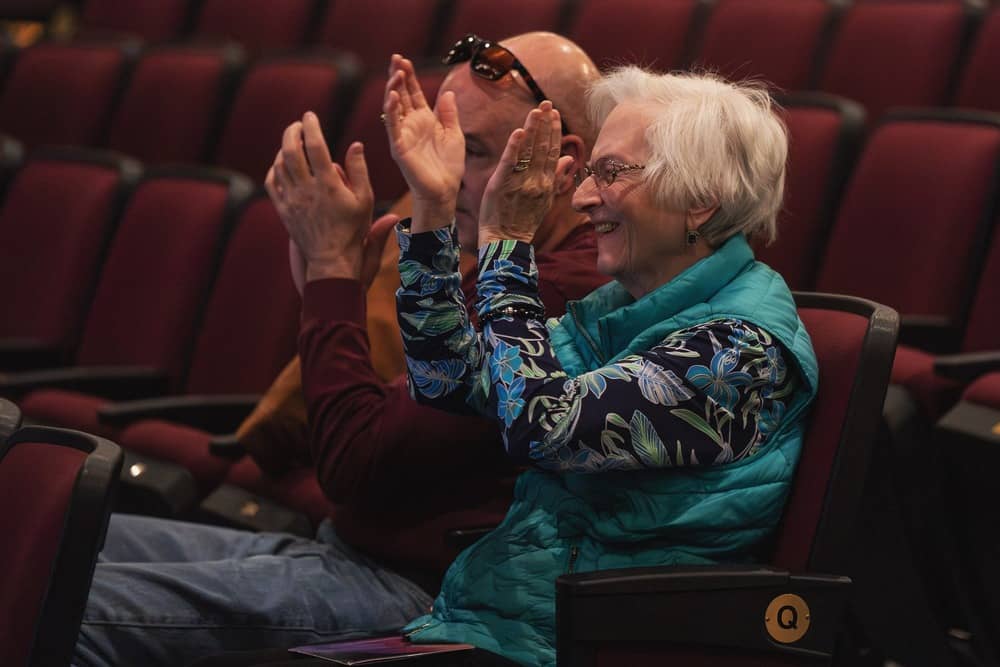
Throughout the rehearsal, caregivers noticed the small, significant ways music reached the residents. “Many residents nodded along to the music, while others closed their eyes and relaxed into the sound.” For people living with dementia, these subtle moments of relaxation and connection can offer emotional grounding and a sense of peace.
Collaboration Shows the Power of Local Cultural Organizations and Senior Living Communities Working Together
The event also highlights how local cultural organizations and senior living communities can work together to enrich quality of life for residents. The event marked the first program between Balfour Longmont and the orchestra, aimed at creating accessible arts experiences for older adults. Both organizations viewed the rehearsal visit as a meaningful step in their partnership and are excited to build on this success with more events in the future. The program demonstrates the value of music as an enriching and supportive part of resident life.
For Balfour Longmont, accessible arts experiences are not just activities—they are essential elements of whole-person care.
“We are thrilled to continue our partnership with the Longmont Symphony Orchestra and provide a unique outing for our memory care residents,” said Kellaway Lamb, senior executive director at Balfour Senior Living. “The informal setting reduces sensory overload, helping residents connect with the music in a way that feels comfortable and joyful. We look forward to our future visits at the orchestra.”
As dementia rates continue to rise nationwide, community-based initiatives like this one offer a way to meaningfully enhance the quality of life for residents. Sometimes, all it takes is a quiet concert hall, a thoughtful partnership, and the timeless power of music to bring comfort, spark memory, and create shared moments of joy.
Key Research on Music & Memory Care
How Music Supports People Living With Dementia
1. Music stimulates memory and cognition
Multiple studies show that music therapy can improve cognitive function in people with Alzheimer’s disease. Source: https://pmc.ncbi.nlm.nih.gov/articles/PMC11012733/
Music activates brain areas linked to long-term memory and emotional processing—regions that often remain responsive even in later-stage dementia. Source: https://alzres.biomedcentral.com/articles/10.1186/s13195-023-01214-9
2. Music reduces anxiety, agitation, and behavioral symptoms
A 2020 systematic review found that music therapy significantly reduces agitation, anxiety, apathy, and depression in dementia patients. Source: https://pmc.ncbi.nlm.nih.gov/articles/PMC7248378/
Individualized music programs in nursing homes have been shown to reduce disruptive behaviors and may help lessen reliance on antipsychotic medications. Source: https://pmc.ncbi.nlm.nih.gov/articles/PMC7709645/
3. Music enhances mood and quality of life
A 2023 meta-analysis reported that music-based therapies significantly improve quality of life compared with non-music activities. Source: https://www.sciencedirect.com/science/article/abs/pii/S0165178123004481
Group singing and structured music sessions can improve social engagement, emotional connection, and resident well-being. Source: https://www.frontiersin.org/articles/10.3389/fmed.2018.00279/full
4. Music helps maintain emotional connection
Because musical memory pathways can remain intact even when other areas deteriorate, hearing familiar songs may spark recognition, ease distress, and create meaningful moments of connection. Source: https://ejnpn.springeropen.com/articles/10.1186/s41983-024-00836-6
The Need is Growing – Across the World
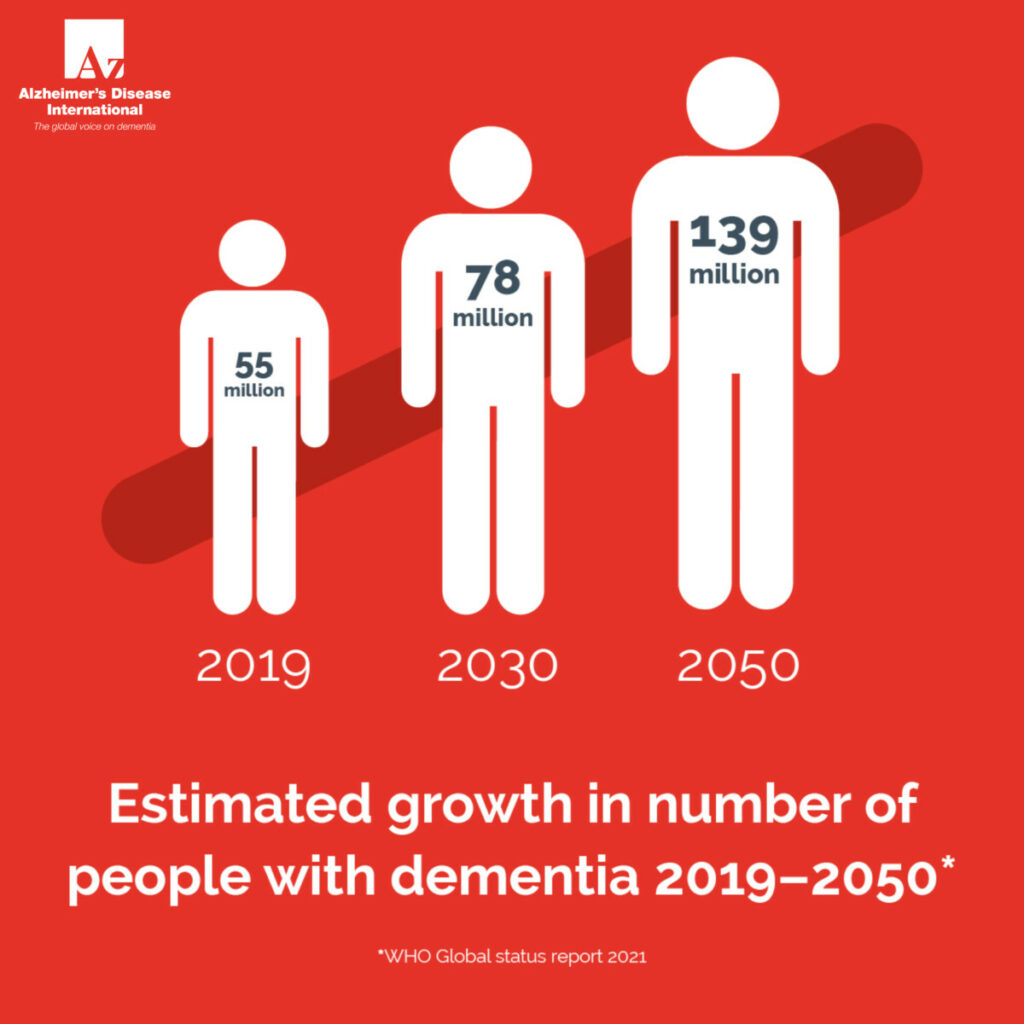
Someone in the world develops dementia every 3 seconds. There are over 55 million people worldwide living with dementia in 2020.
This number will almost double every 20 years, reaching 78 million in 2030 and 139 million in 2050. Much of the increase will be in developing countries.
Already 60% of people with dementia live in low and middle income countries, but by 2050 this will rise to 71%.
The fastest growth in the elderly population is taking place in China, India, and their south Asian and western Pacific neighbours.
Source: https://www.alzint.org/about/dementia-facts-figures/dementia-statistics/