
Who Was Chief Niwot? How the Arapaho Leader Changed Colorado
Chief Niwot stands as one of the most important yet often overlooked figures in northern Colorado’s past. A peace-focused leader of the Arapaho, he worked tirelessly to navigate a period of intense change as westward expansion reshaped the Front Range. Known for his diplomatic skill and commitment to coexistence, Niwot served as a bridge between Native nations and incoming settlers during a volatile era. Chief Niwot is a counterpoint to the stereotypical representations of Colorado’s Indigenous peoples in later films and media, particularly the Western genre. His story remains deeply connected to Boulder and the rich history of Longmont, shaping how the region remembers its origins today.
Who Was Chief Niwot?
Chief Niwot lived during the mid-1800s, a period of rapid change along Colorado’s Front Range, from Boulder Valley to surrounding plains. Born sometime in the 1820s, he emerged as a respected peace chief, known not for warfare but for diplomacy. Fluent in English, he served as a trusted interpreter between Native leaders and U.S. officials, a rare and powerful role at the time.
Unlike more militant figures, Niwot consistently advocated coexistence, believing negotiation offered the best chance for his people’s survival. His early interactions with traders, settlers, and government representatives positioned him as a stabilizing presence during westward expansion.
What Tribe Was Chief Niwot?
Chief Niwot was a leader of the Southern Arapaho, a Plains people organized into bands governed by councils of respected leaders. This leadership structure emphasized consensus, diplomacy, and shared responsibility rather than centralized authority. Those values played a central role in shaping Niwot’s approach to leadership, guiding his preference for negotiation over conflict and influencing the lasting legacy he left across northern Colorado.
What does Niwot Mean and How is it Pronounced?
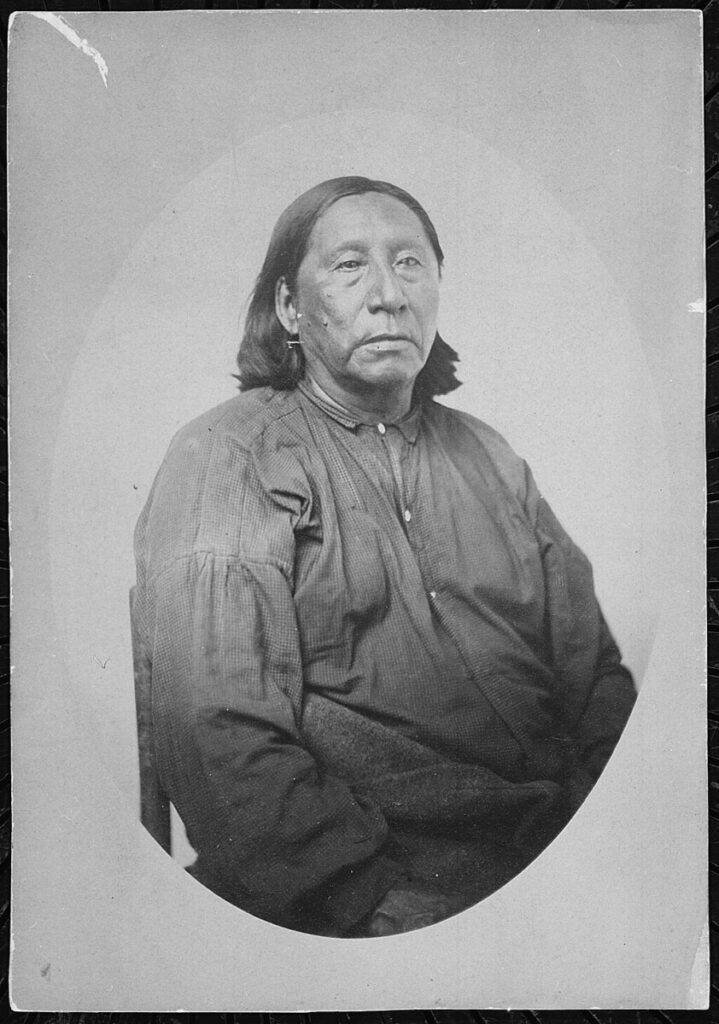
The correct Niwot pronunciation is NEE-wot or NYE-wot, depending on regional usage, with emphasis on the first syllable. The name is commonly translated as “Left Hand,” reflecting traditional Arapaho naming practices that often described a personal trait or characteristic. Pronouncing Indigenous names accurately is more than a technical detail, it shows respect for cultural identity and historical truth. Using the correct pronunciation helps preserve meaning, honors Native leadership, and encourages more thoughtful conversations about Indigenous history in Colorado and the broader Plains region.
Chief Niwot’s Vision of Peace During Colorado’s Gold Rush
As the Pike’s Peak Gold Rush accelerated in the late 1850s, tensions surged across the Colorado plains. Thousands of settlers moved into Arapaho territory, straining resources and relationships. Chief Niwot responded not with force, but with diplomacy. Fluent in English, he acted as a trusted translator and mediator between tribal leaders, settlers, and government officials. His goal was to reduce misunderstandings, prevent violence, and protect his people through negotiation rather than war.
Broken Promises and Escalating Pressure
Despite repeated peace efforts, treaty promises were routinely broken. Land encroachment, food shortages, and unchecked settlement intensified conflict across the Front Range. Violence increased even as Niwot continued to advocate restraint, often standing apart from leaders who turned toward armed resistance. He refused to abandon diplomacy, believing that coexistence, however fragile, offered the only path forward. His unwavering commitment to peace ultimately defined his leadership, even as conditions grew increasingly dire.
The Sand Creek Massacre and Its Consequences
In 1864, Chief Niwot and other peace-oriented leaders complied with U.S. directives to relocate their people near Fort Lyon. They did so under repeated assurances of protection and peaceful negotiation. Families gathered, surrendered weapons, and raised symbols of peace, believing cooperation would ensure safety. This compliance reflected Niwot’s continued trust in diplomacy, even as tensions between Native nations and territorial authorities escalated across Colorado.
The Aftermath and Historical Impact
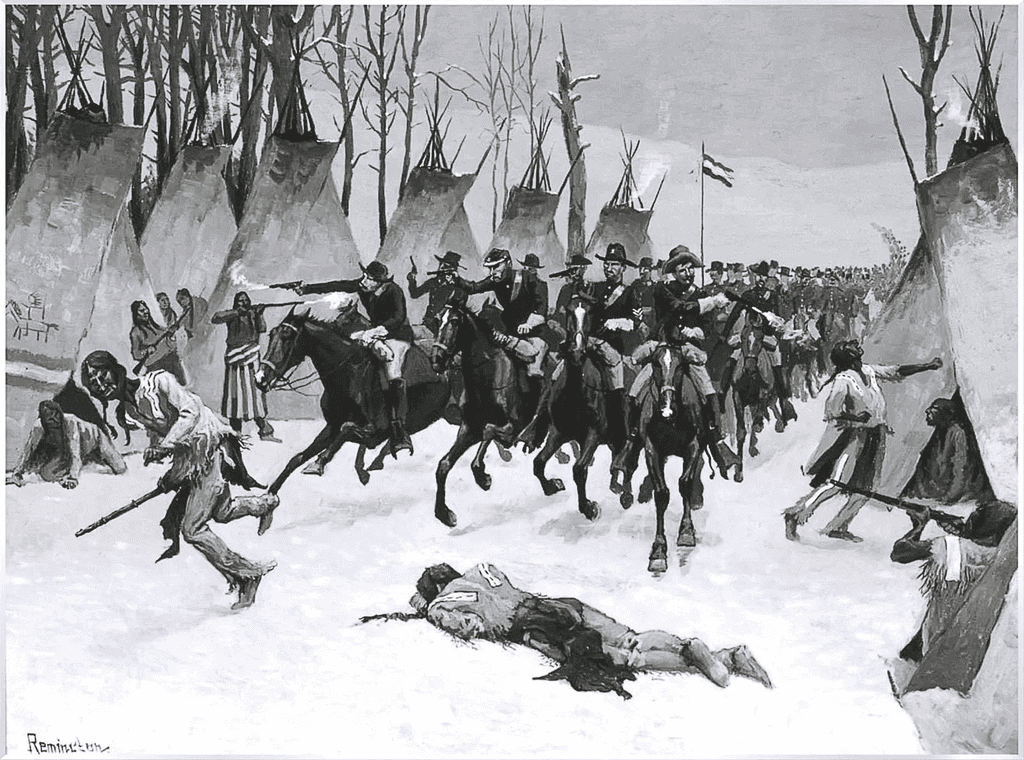
In November 1864, U.S. troops attacked a peaceful encampment of Arapaho and Cheyenne families at Sand Creek, despite clear indications the group was not hostile. The attack at Sand Creek resulted in the death of Chief Niwot, though some accounts of his final moments remain disputed.
The massacre sparked national outrage, leading to a congressional investigation that formally condemned the violence. For the Arapaho and Cheyenne, the consequences were devastating, including loss of life, forced removal, and the collapse of trust in federal promises. Sand Creek became a defining tragedy, shaping Native relations with the U.S. government for generations.
Chief Niwot’s Legacy in Modern Colorado
Place Names and Public Memory
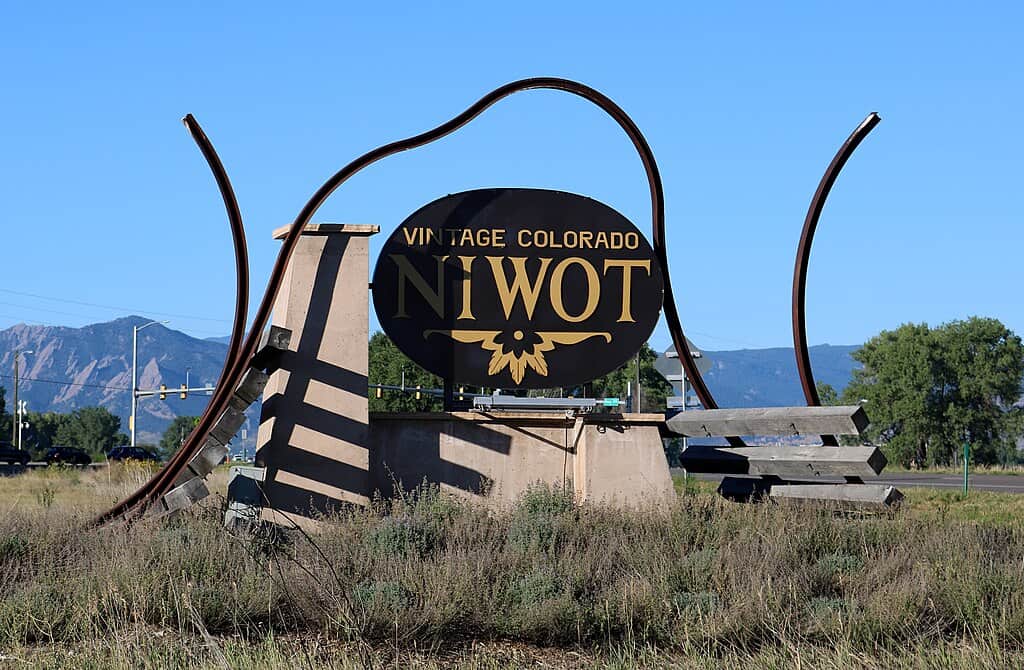
The legacy of Chief Niwot is woven into Colorado’s landscape through place names that preserve his memory. The town of Niwot, Left Hand Canyon, local schools, and prominent landmarks across Boulder County reflect how geography has become a living record of his influence. These names are not symbolic alone, they anchor history to the land, reminding residents and visitors that today’s communities exist on ground shaped by Indigenous leadership and resilience.
Cultural Reflection and Historical Sites
Chief Niwot’s story continues to inspire museums, public exhibits, educational programs, and artistic performances throughout the region. His life is frequently highlighted at historical sites in Boulder, where his commitment to peace and diplomacy is explored in modern context. These spaces help connect past and present, ensuring his leadership remains relevant in conversations about history, justice, and community identity today.
Why Chief Niwot Still Matters Today
Chief Niwot remains relevant because his leadership offers enduring lessons in diplomacy, moral courage, and principled restraint. At a time when violence seemed inevitable, he consistently chose dialogue over conflict, even at great personal cost. His story continues to inform modern conversations about equity, reconciliation, and how communities confront difficult histories.
Remembering Chief Niwot helps communities better understand their past while shaping a more thoughtful and inclusive future.
FAQs
Who was Chief Niwot and why is he important to Colorado history?
Chief Niwot was a Southern Arapaho peace leader known for diplomacy during westward expansion. Fluent in English, his efforts shaped early relationships between Native nations and settlers in northern Colorado. He was a respected interpreter, translator, and mediator.
What tribe was Chief Niwot from?
He was a respected leader of the Southern Arapaho, part of a Plains culture governed by councils and consensus-based leadership.
How do you pronounce Niwot correctly?
The name is commonly pronounced NEE-wot or NYE-wot, with emphasis on the first syllable.
Why is Chief Niwot associated with Boulder and Longmont?
He lived and traveled throughout the Front Range, leaving a lasting imprint on both communities. Chief Niwot wintered near the location of present-day Boulder.
How did Chief Niwot die?
He was killed during the Sand Creek Massacre in 1864. Some reports indicate that he may have survived the massacre, although it is known that he did not go with the Arapaho to Oklahoma.
Are there monuments or museums dedicated to Chief Niwot?
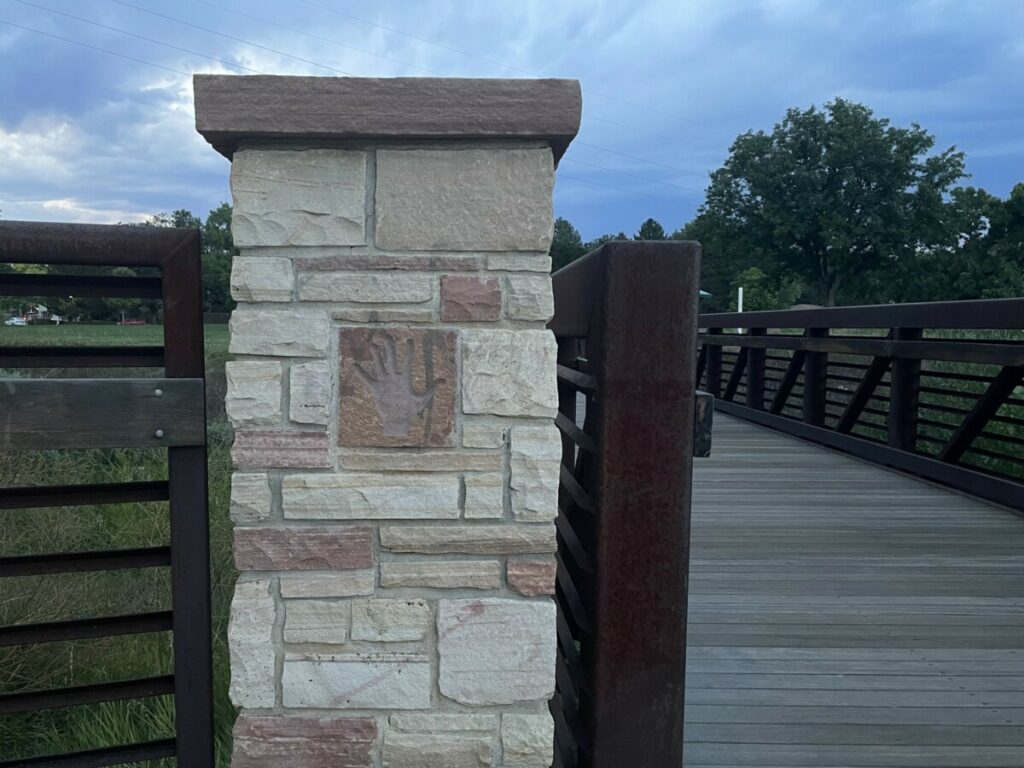
Yes, his legacy is preserved through landmarks, exhibits, and public memorials across Boulder County (including a sculpture in the Boulder Sculpture Garden and a woodcarving in the town of Niwot).