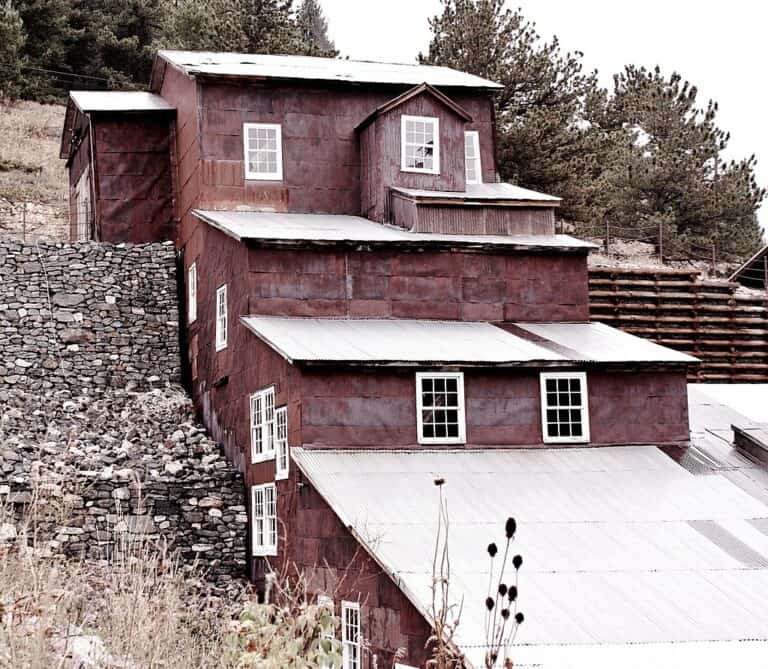

How the Colorado Central Railroad Changed the Front Range
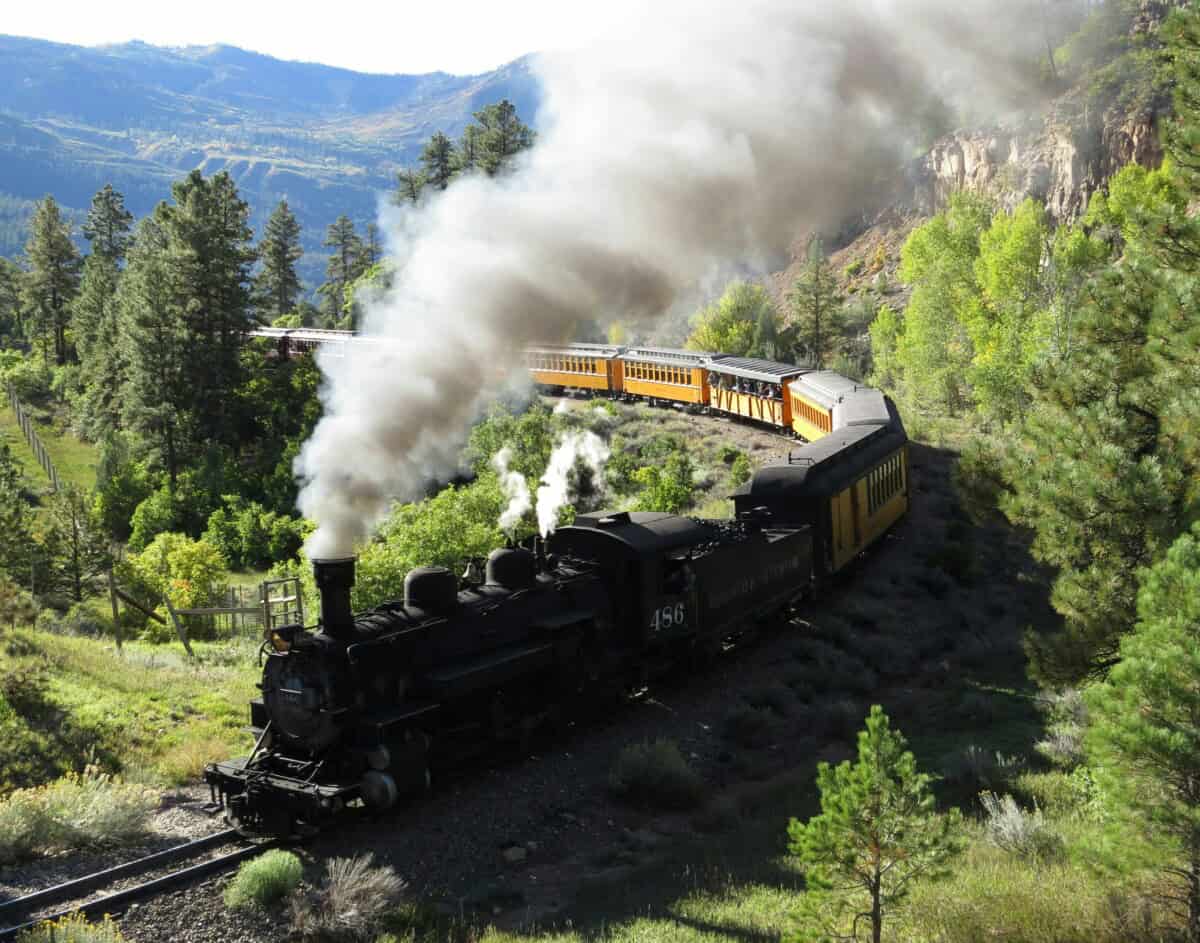
The Colorado Central Railroad played a defining role in transforming Colorado’s Front Range from scattered mining camps into connected, thriving communities. Founded during the Colorado Gold Rush, the railroad embodied the state’s bold spirit of progress and competition, especially in the rivalry between Golden and Denver for regional dominance and its lasting influence on Colorado’s growth and identity.
It linked isolated mountain towns with vital markets, fueled commerce, news delivery, and industrial growth, and paved the way for Colorado’s enduring rail culture. From the ingenious Georgetown Loop to restored heritage lines, its legacy continues to shape how Coloradans remember their roots and regional identity.
Birth of the Colorado Central Railroad
Gold Rush Origins and Early Vision
Officially established in Golden in 1869 by William A.H. Loveland and fellow entrepreneurs, the Colorado Central Railroad was born from the energy of the Colorado Gold Rush. Its goal was to connect booming mining towns such as Black Hawk, Central City, and Idaho Springs with Denver’s growing markets. Loveland envisioned Golden, not Denver, as the commercial heart of the Rockies, a hub where ore, supplies, and ambition converged to fuel prosperity.
Engineering Triumphs and the Georgetown Loop
Building Through the Rockies
The Colorado Central Railroad pushed engineering limits as it carved a path through the rugged Rocky Mountains. By 1872, tracks reached Black Hawk, extending to Idaho Springs and Georgetown by 1877. The crown jewel of this effort, the Georgetown Loop, conquered extreme elevation changes with graceful curves, bridges, and towering trestles that blended innovation with natural beauty.
A Model of Ingenuity
The Loop’s 3.5% grade was a revolutionary feat of mountain railroading, proving both practical and elegant. Reconstructed in the 1980s as a celebrated heritage attraction, it continues to showcase Colorado’s inventive spirit and the railroad’s role in shaping the region’s identity.
Expansion, Conflict, and Integration
The Battle for Control
The Colorado Central Railroad’s growth was marked by constant power struggles. Founder William A.H. Loveland fought fiercely to maintain local independence as the Union Pacific, led by financier Jay Gould, sought to absorb the line. Although Loveland resisted for years, the railroad was eventually absorbed into the Union Pacific system and later became part of the Colorado & Southern, a fate shared by many regional lines as corporate rail empires expanded across the West.
Connection Across the Plains
By 1877, the line stretched north through Longmont to Cheyenne, creating a vital link between Colorado’s mining towns and the transcontinental railroad. This extension unified farming, freight, and industrial networks across the Front Range, laying the groundwork for a thriving regional economy that would endure for generations.
The Railroad’s Role in Building the Front Range
Economic and Social Impact
The Colorado Central Railroad was the backbone of early Front Range development, transporting ore, coal, and essential supplies that powered Colorado’s young mining economy. Its routes helped launch new industries, including the Great Western sugar mill in Longmont, which became a cornerstone of agricultural progress. The line also shaped the history of Longmont and nearby towns, linking communities through trade and opportunity that fueled Colorado’s early growth.
Culture and Communication
Beyond industry, the railroad strengthened the state’s social fabric. It supported Colorado’s early newspapers, delivering information and ideas faster than ever before. These connections nurtured civic pride, fueled expansion, and inspired a sense of shared identity across the developing Front Range communities.
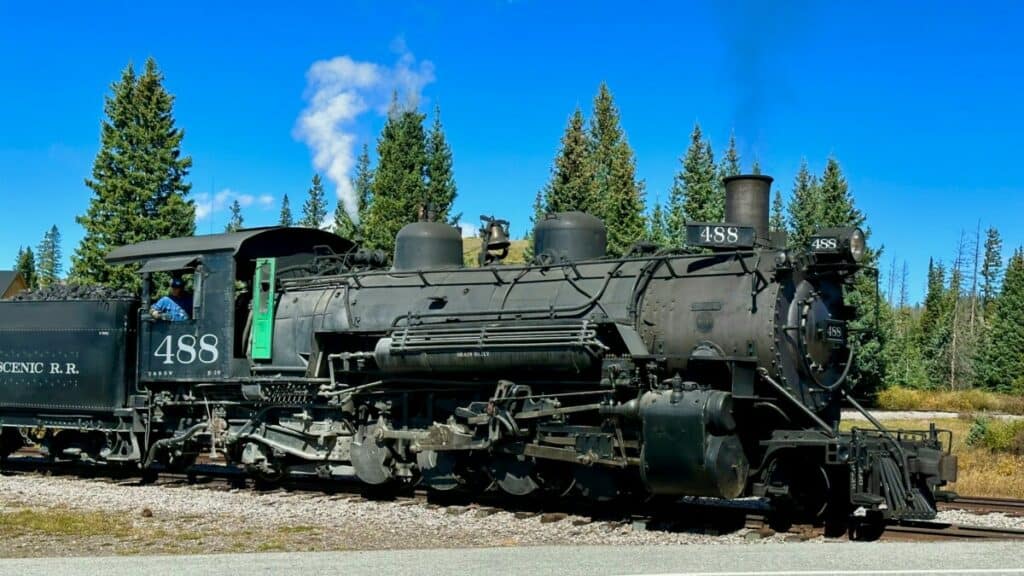
Decline and Legacy
From Golden Age to Abandonment
After decades of success, the Colorado Central Railroad’s former routes faced challenges they couldn’t outrun. As automobiles and trucks reshaped transportation, freight and passenger numbers dwindled. Coupled with economic downturns of the 1930s, the once-thriving line gradually faded.
Enduring Influence
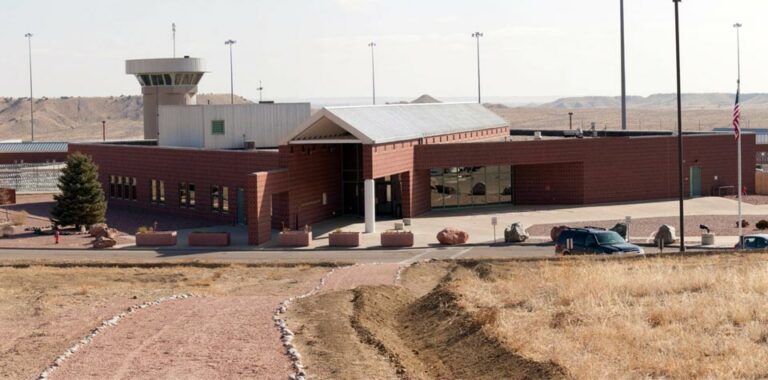
Though rails were removed, the railroad’s spirit lives on. Portions of its routes became highways and tourist attractions, preserving the legacy of a system that once connected Colorado’s mountain towns and fueled the region’s growth. Historic plaques and educational tours celebrate its legacy, long before the arrival of the tech industry and the supermax jail in modern Colorado.
FAQs
What was the Colorado Central Railroad’s main purpose?
It was built to connect Colorado’s mining towns and support the Gold Rush economy, providing vital links between mountain communities and major trade centers.
How did the Georgetown Loop change mountain rail travel?
The Georgetown Loop revolutionized steep mountain travel with its brilliant engineering design, allowing safe, efficient climbs through the Rockies.
What towns did the Colorado Central Railroad connect?
The line linked Golden, Black Hawk, Central City, Idaho Springs, Georgetown, Longmont, and Cheyenne, uniting the Front Range.
What became of the Colorado Central Railroad in later years?
After periods of financial struggle and reorganization, the railroad’s routes were absorbed into the Colorado & Southern, ensuring its legacy lived on through continued service in Colorado.
How does its history influence Colorado today?
Its legacy lives on through preserved railways, tourism, and the cultural spirit of the Front Range.