
How Dangerous Are Colorado’s Mountain Lions?
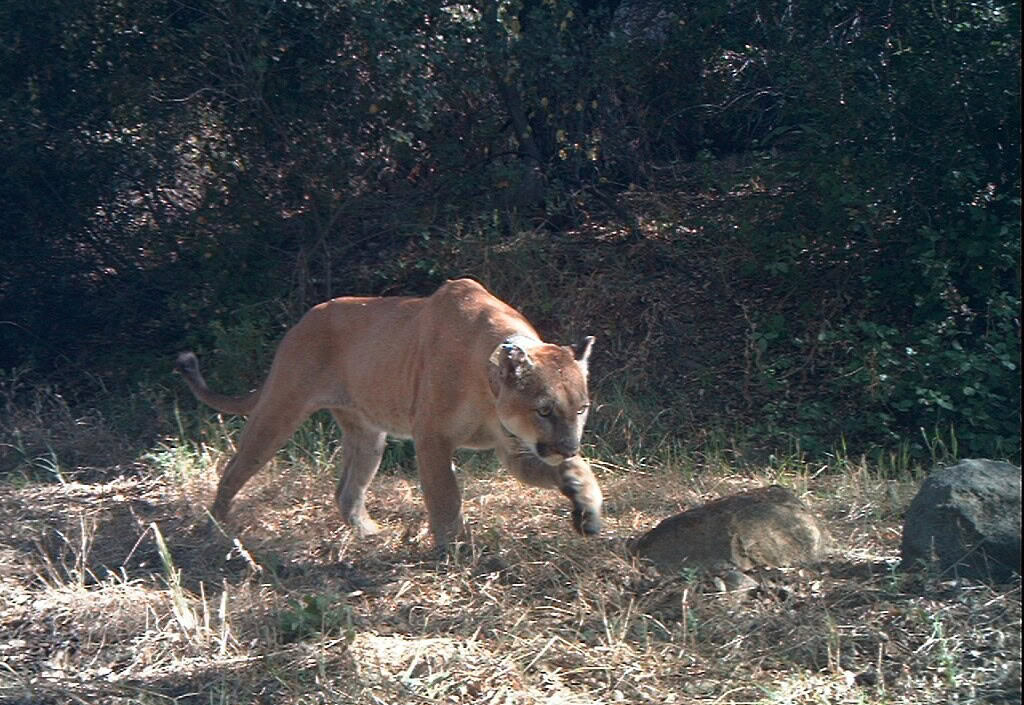
How dangerous are mountain lions in Colorado is a question many people are asking, especially after a recent Colorado mountain lion attack made headlines. While any mountain lion attack is serious, it’s important to understand the real level of risk without fear or exaggeration. Attacks are rare, but they are not unheard of in a state with a large mountain lion population and shared human–wildlife habitat.
What is a Mountain Lion (Puma/Cougar)?
A mountain lion, also called a puma or cougar, is a large wild cat species. These solitary predators are highly adaptable, living across mountains, forests, and foothills while typically avoiding humans.
Why Humans Encounter Them in Colorado
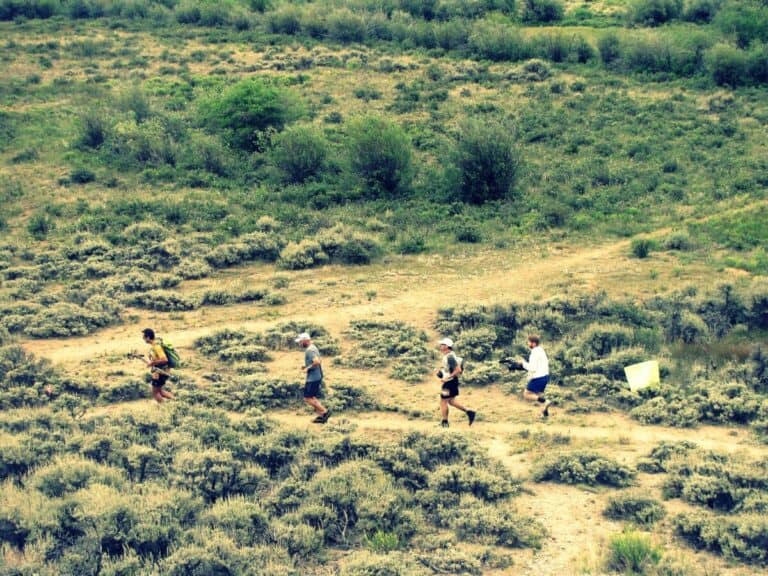
Encounters increase as outdoor recreation expands and more people spend time hiking, running, and biking in mountain landscapes.
At the same time, homes, roads, and trail systems continue to overlap established wildlife corridors, bringing humans and mountain lions into closer and more frequent proximity.
How Common Are Mountain Lion Attacks in Colorado?
Mountain lion attacks remain extremely rare, even with increased public awareness and discussion around wildlife safety in Colorado. Since 1991, there have been fewer than 30 recorded attacks in Colorado, with only four fatal cases over several decades. Most people living or recreating in mountain lion habitat will never experience a close encounter.
Should I Be worried When I’m Hiking?
When viewed in context, the risk is low. Lightning strikes and vehicle crashes are far more common causes of injury or death, and mountain lion attacks are statistically unlikely. As a result, mountain lions are not considered a major public safety threat by wildlife experts.

Why Do Mountain Lions Attack People?
People often wonder whether mountain lions attack people on purpose. In most cases, attacks are not driven by aggression, but by specific environmental and behavioral triggers that increase the likelihood of a defensive or mistaken response. These include:
- Young or unhealthy lions lacking hunting experience
- Running or biking, which can activate a prey response
- Solo recreation that resembles vulnerable prey
Who Is Most at Risk
While attacks are rare, higher-risk groups include:
- Children, due to size and movement
- Runners and cyclists
- Isolated hikers
In short, do cougars attack humans? Yes, but only under uncommon conditions.
Crosier Mountain Incident in Colorado
In Larimer County, a fatal Colorado mountain lion attack near Glen Haven in January 2026 raised public concern. Wildlife officials also reported increased sightings and temporary warnings in the area. While the incident was tragic, experts emphasize that such events remain rare, even during periods of heightened mountain lion activity and media attention.
Public Health Response After a Mountain Lion Attack
When a confirmed mountain lion attack occurs, wildlife and public safety agencies follow a structured response designed to protect the public and reduce the chance of additional incidents. In Colorado, this typically involves rapid coordination between wildlife officers, local law enforcement, and medical responders.
Immediate response steps usually include:
- Securing the incident area and assisting victims
- Investigating tracks, DNA, and scene evidence
- Issuing public safety alerts or temporary trail closures
- Increasing patrols and monitoring nearby lion activity
The goal is fast risk assessment, transparent communication, and prevention of further harm.
Why Mountain Lions Are Euthanized After an Attack
If a specific mountain lion is confirmed to have attacked a person, it is typically located and euthanized. This policy is based on established wildlife risk management principles.
Reasons include:
- A lion that attacks a human has demonstrated dangerous behavior
- Predatory behavior toward people may be repeated
- Relocation is unreliable, as lions often travel long distances back
- Public safety standards prioritize risk elimination, not retraining
While rare and unfortunate, euthanasia after a verified attack is considered the most responsible way to prevent additional injuries.
How to Reduce Risk While Enjoying the Outdoors
You can safely enjoy Colorado’s outdoors by following proven mountain lion safety practices that reduce risk without limiting adventure:
- Hike in groups, especially in remote areas
- Closely supervise children at all times
- Avoid running or biking at dawn and dusk
- Carry deterrents like spray or noise makers
- If confronted, stand your ground, appear larger, and fight back if attacked
Are Mountain Lions a Reason to Avoid the Outdoors?
Mountain lions are not a reason to avoid the outdoors altogether. Risk can never be reduced to zero in wild places, but outdoor recreation remains overwhelmingly safe. With awareness and preparation, people can continue to enjoy the physical, emotional, and mental health benefits that come from time spent in nature.
FAQs
Do mountain lions attack people often in Colorado?
No. Attacks are rare, even in areas with active mountain lion populations.
What should I do if I encounter a cougar on a trail?
Stay calm, maintain eye contact, appear larger, and do not run.
Are mountain lions more dangerous than bears or moose?
Statistically, moose and bears cause more injuries than mountain lions due to defensive behavior.
Are there moose in Colorado?
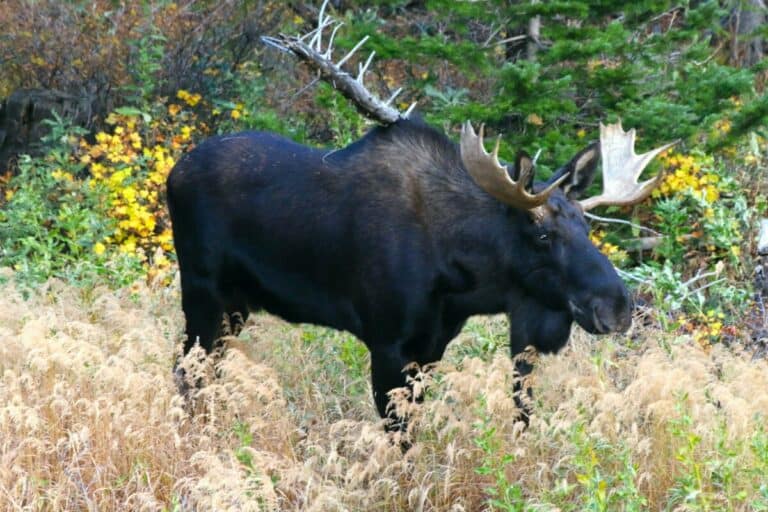
Yes. Moose are common in mountain and wetland areas and are involved in more human injuries than mountain lions.
Are children more at risk than adults?
Children face higher risk due to size and movement patterns.
Should I stop hiking in Colorado because of mountain lions?
No. With awareness, hiking remains safe and rewarding.