
Volunteer-Led Nature Program Expands Into Longmont
People who regularly spend time outdoors understand the physical and mental benefits that come with consistent access to nature. In communities like Longmont, many residents build outdoor time into their routines through hiking, fishing, snowshoeing, birding, and use of local parks and open spaces. However, access to these experiences is not evenly distributed.
Socioeconomic barriers, limited transportation, a lack of equipment, and unfamiliarity with outdoor settings can prevent many families from developing a connection to the natural world. While these gaps can seem structural and difficult to address, a new local initiative aims to reduce those barriers and expand outdoor access in Longmont.
Sierra Club Program Expands Into Longmont
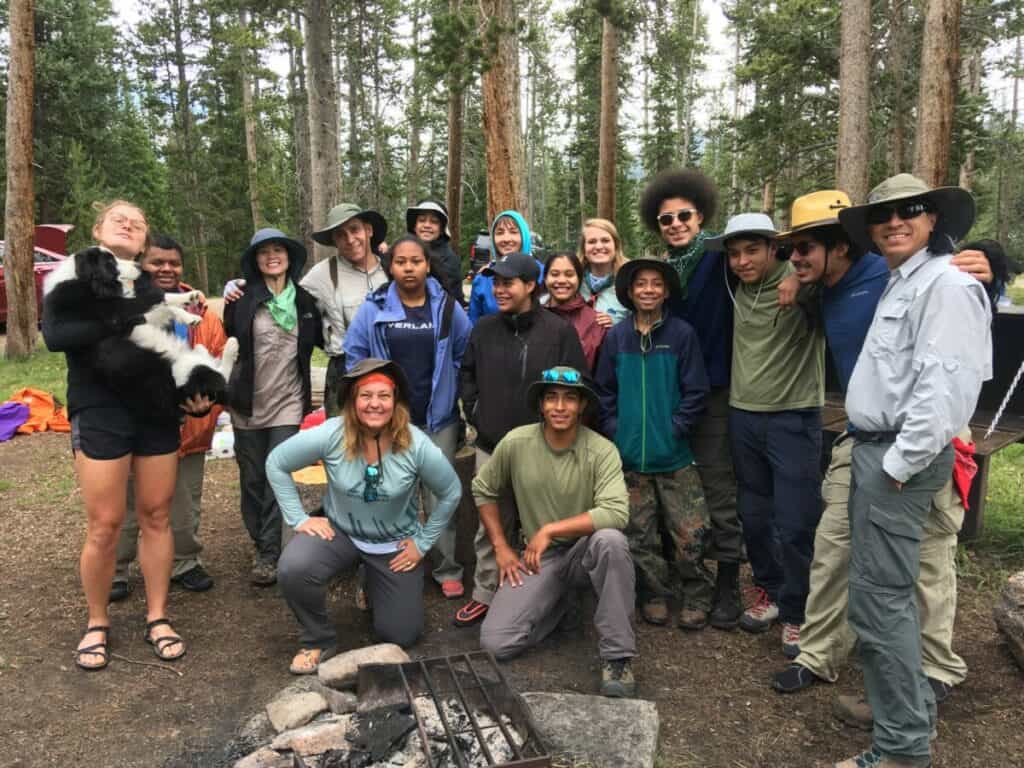
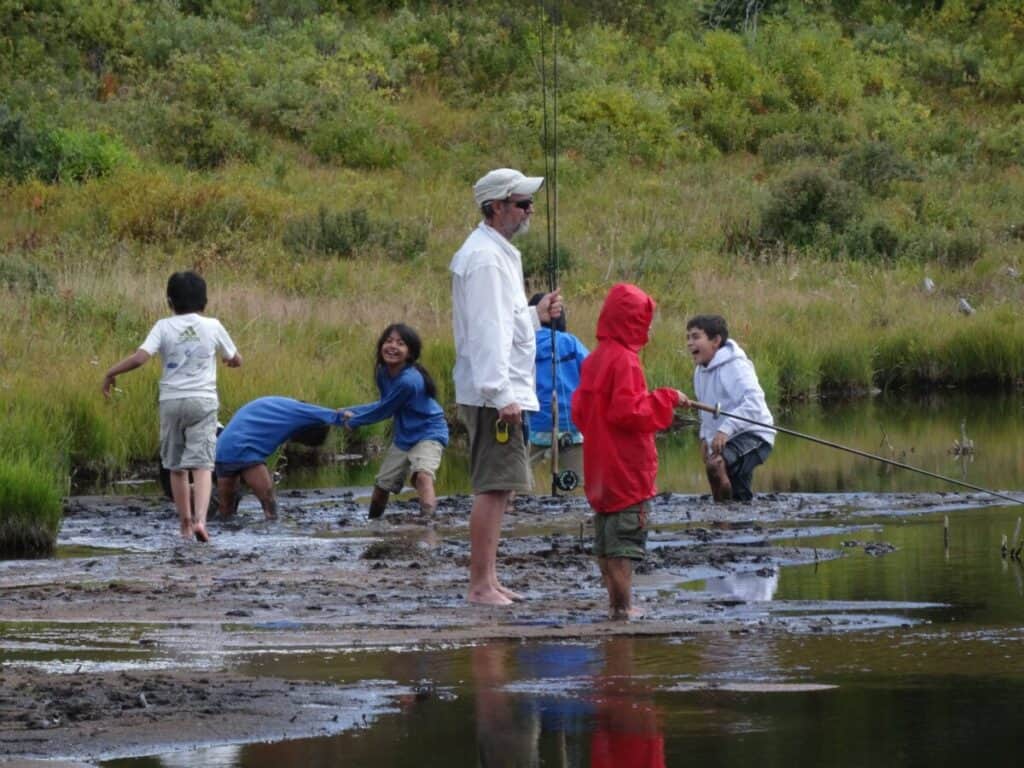
For years, the Sierra Club has run a program in Boulder County that provides free nature outings and wilderness adventures to children and families who do not have these opportunities any other way. That program, called Boulder Valley Inspiring Connections Outdoors (formerly, Inner City Outings), eliminates all of the barriers to forming a connection with nature.




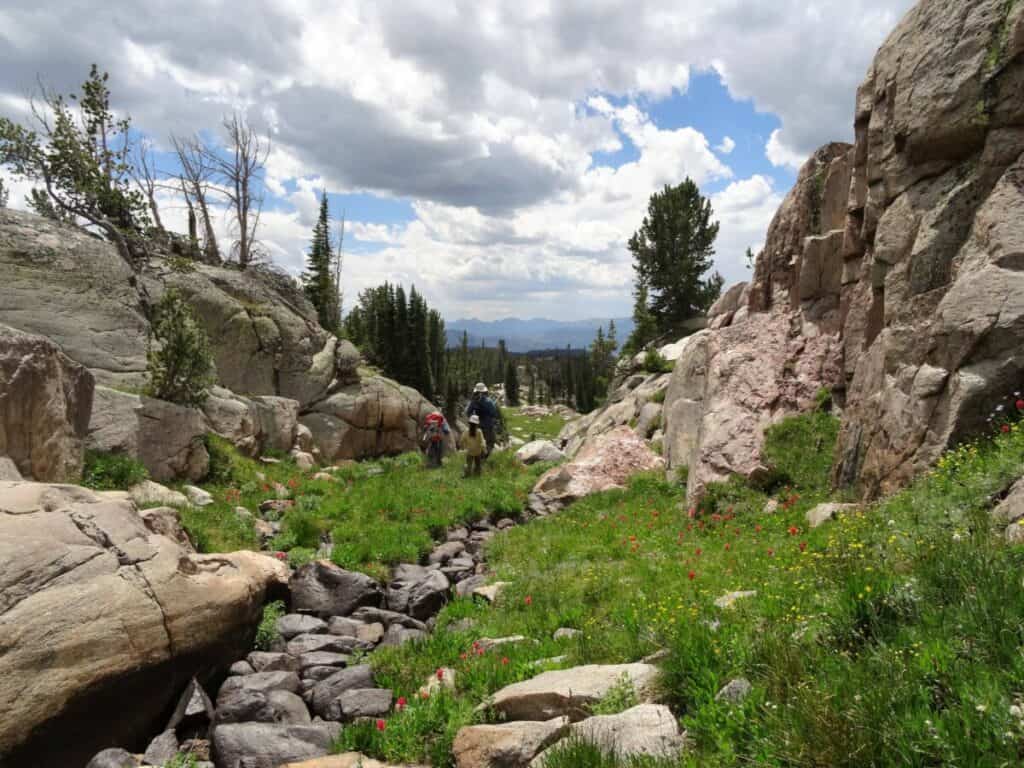
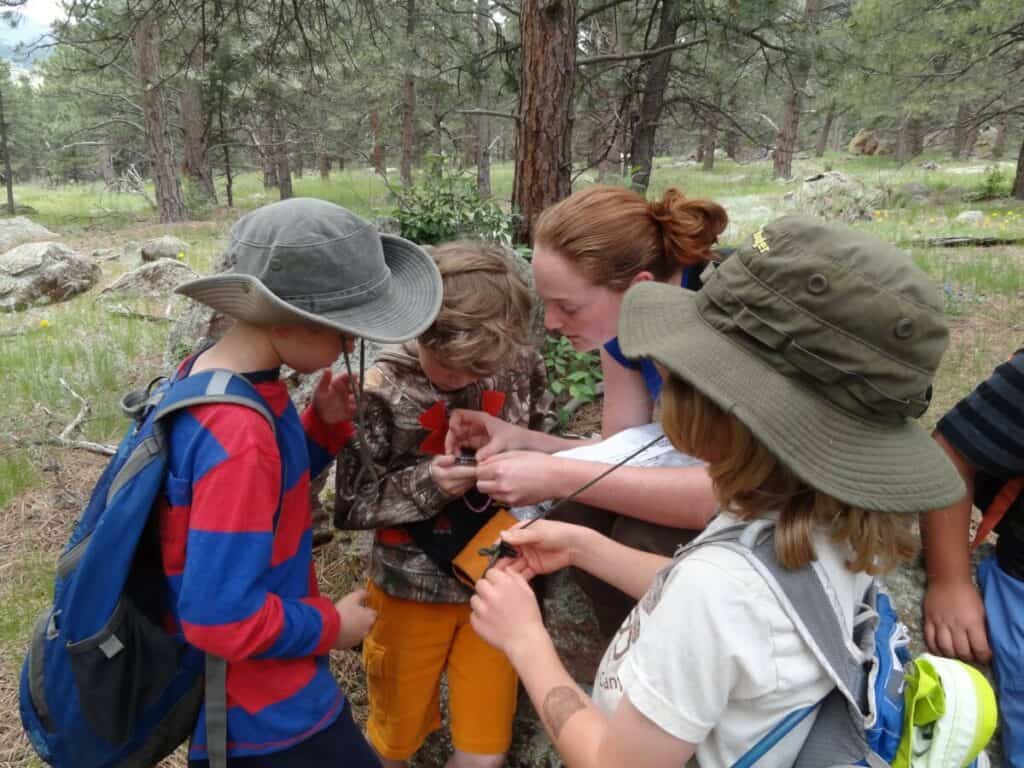
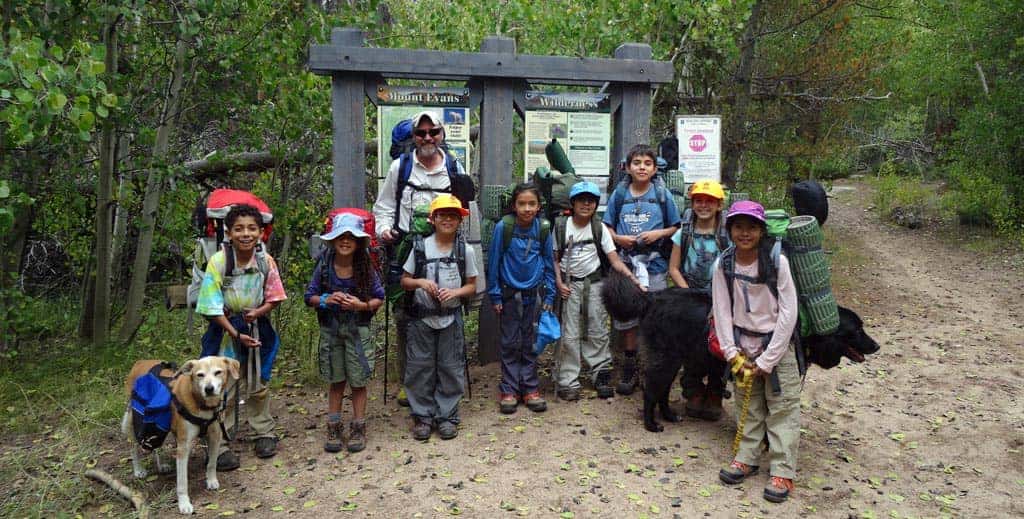
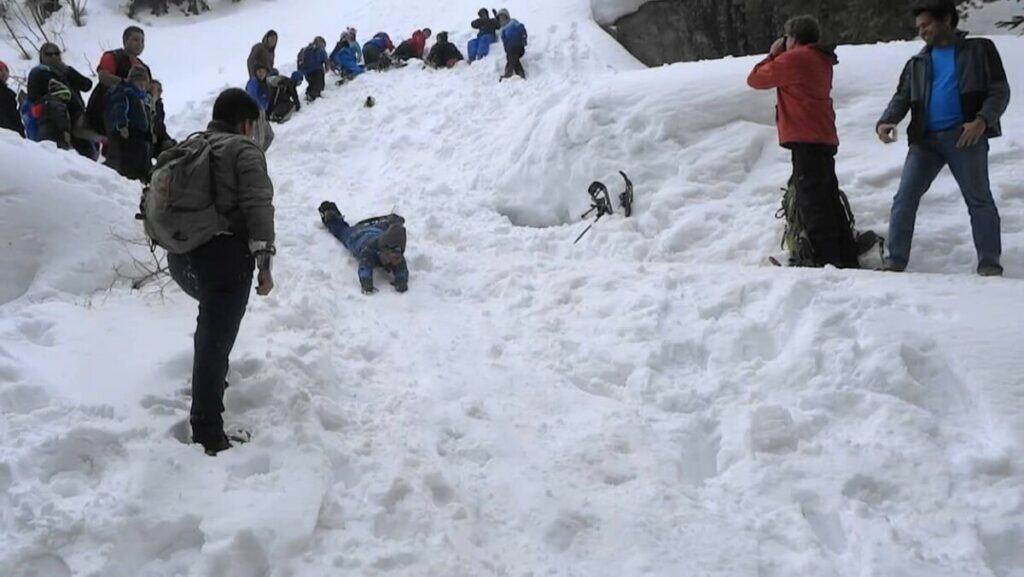
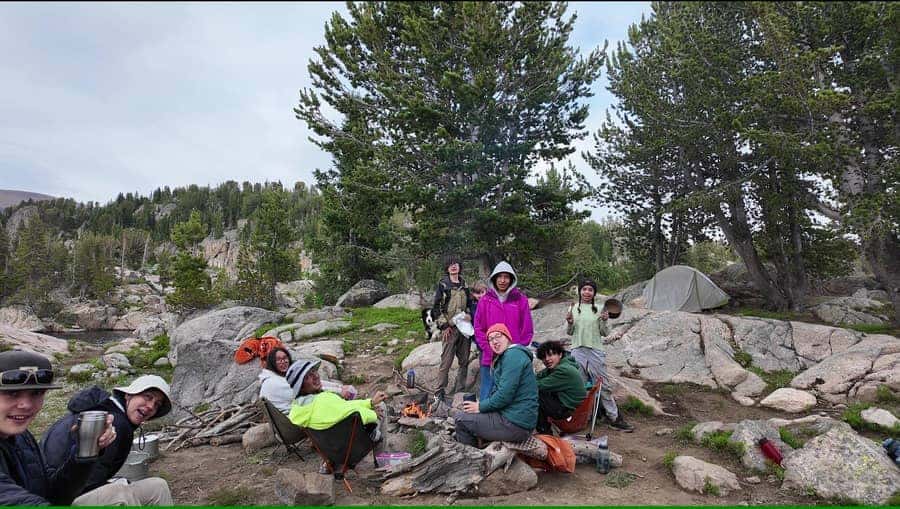
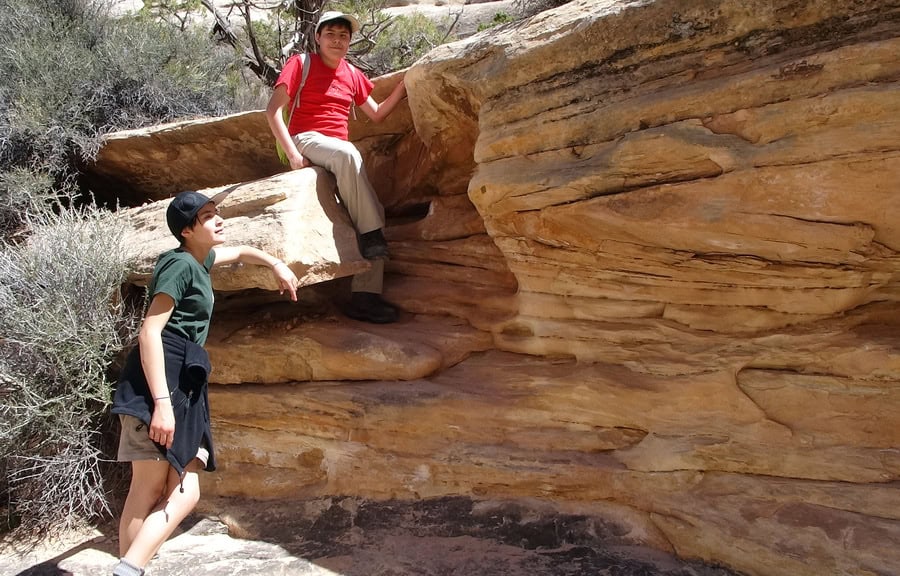
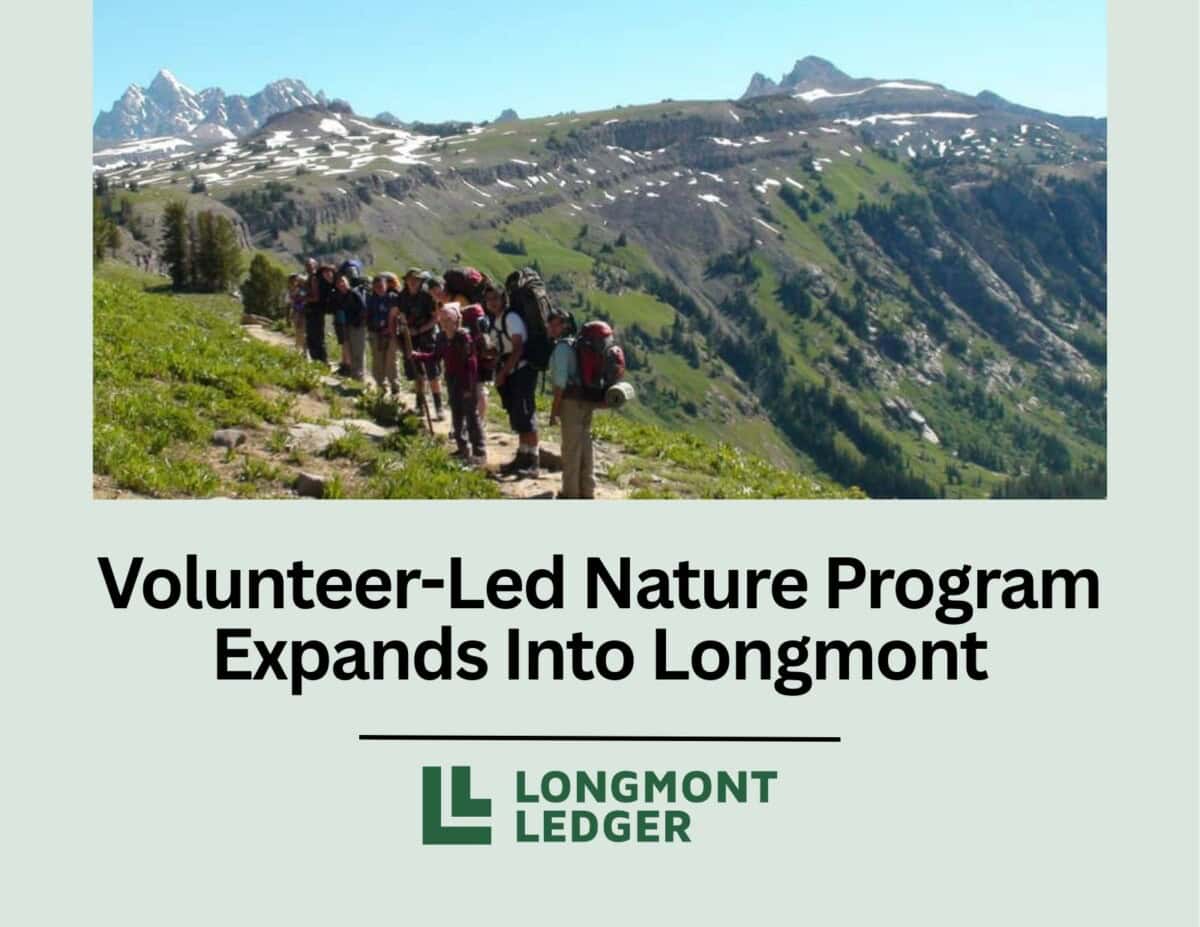
They provide the permits, food, transportation, logistics, and specialized clothing and gear needed for the wide array of outings they offer, from hiking to camping to backpacking. That program is now coming to Longmont, where volunteers are needed to help organize and lead outings for a new ICO group: Longmont ICO.
Removing Barriers to Nature Access
According to the Chairperson of the Boulder group, Michael Le Desma, the problem isn’t actually one of disconnection. He explains, “it’s usually not that a connection between child and nature was formed and then broken. It’s that no such connection ever formed in the first place.
When a child’s parents fear nature or lack the knowledge and resources by which to connect their child to the natural world, that child will often find themselves on a couch in front of some sort of electronic device, slowly developing the maladies of a sedentary and stressful lifestyle. And when that condition extends for generations, it becomes normalized within the family and, even, the community.
“Kids in such a community then come to believe that the outdoors is somehow the province of those with wealth or power. And that is a real tragedy because nature is one of the most affordable, accessible, and powerful tools by which to fortify a young life that is beset by socio-economic challenges of one kind or another. It’s like a superpower that they don’t even know they have.”
Michael adds that one of the goals of creating a Longmont group is to also enrich the lives of its volunteers: “We’re not like a typical nonprofit, with a Director and paid staff. We’re more like a cooperative. We’re friends, doing together what none of us could realistically do alone. That collaboration is significant because it gets me out there. When an ICO outing is on my calendar, it’s an obligation to others – but also to myself – to set aside the endless chores and house projects and get out to have some fun.”
Reported Impact on Youth and Volunteers
While the Sierra Club, itself, has not conducted longitudinal studies on the efficacy of its program, kids and volunteers report that it works. One participant, Christina, said, “You don’t understand: our home lives suck! Just about the only fun we ever have outside of school is with ICO.” This is perhaps why participants tend to remain in the program for a very long time, eventually getting trained to be volunteers themselves. In some cases, they’ve even gone on to work in the field of outdoor education or in other forms of volunteer service.
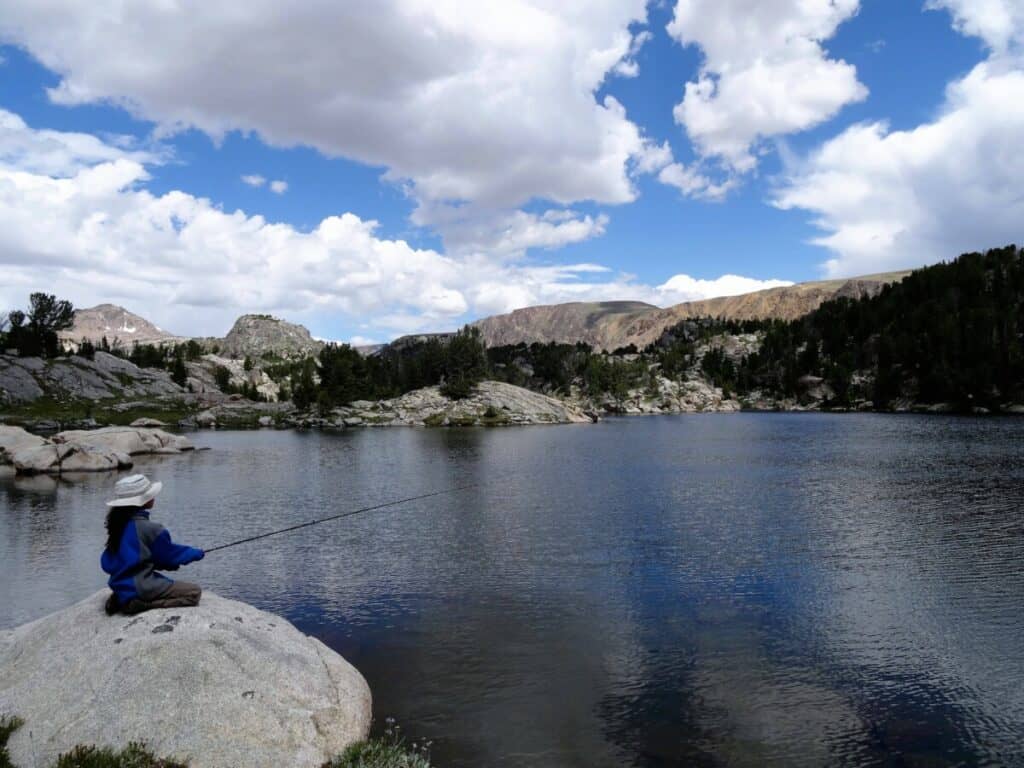
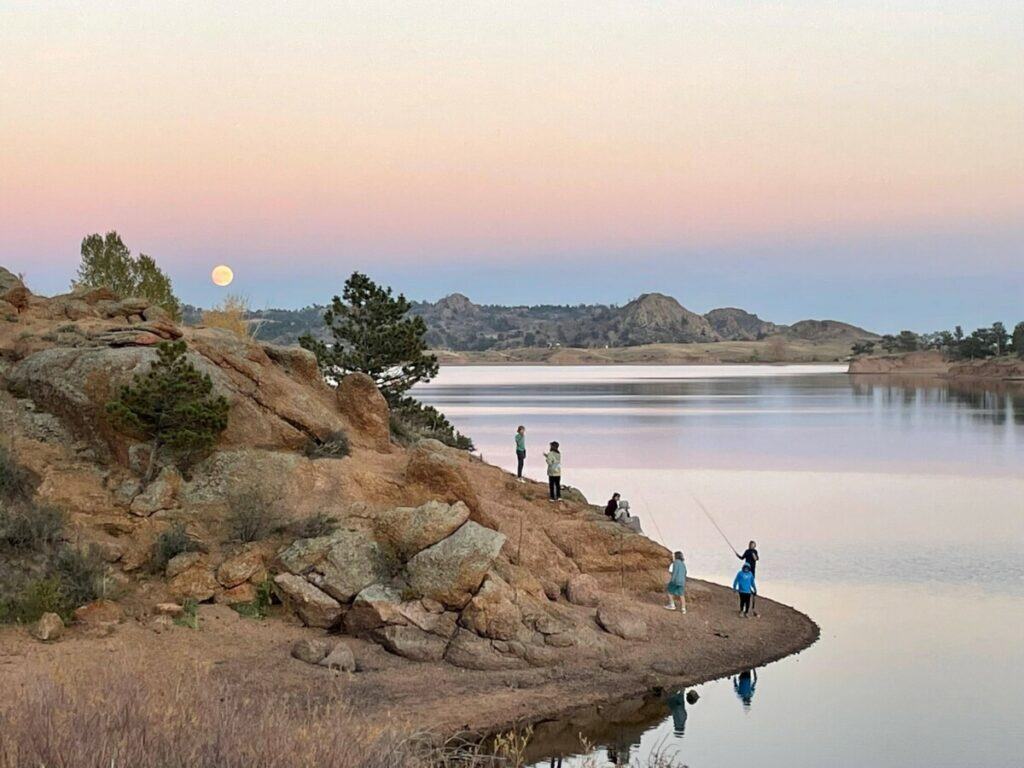
Long-time volunteer Drew Smith reports, “It’s not every kid or even every outing, but when the lights come on for a kid, you definitely know. Maybe you’ll see them sitting alone, quietly by the lake in the morning, just taking in the spectacular view. And then you’re like, ‘Yeah! I got one!’ That’s a pretty good feeling because you know that that connection is gonna stay with ‘em for a lifetime. I’m actually still surprised by this. I mean, we don’t preach environmentalism at the kids; we just take ‘em out into nature and let nature do the talking. And, whatever these kids are like in school or at home, when nature talks, they really listen.”
Family Outings and Building Confidence Outdoors
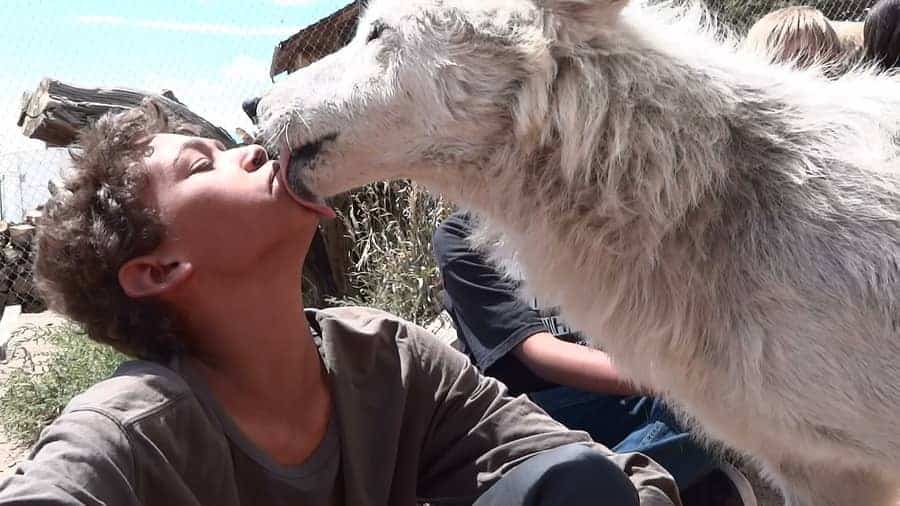
The expectation is that Longmont ICO will also work with families as it does in Lafayette. Starting with easy, half-day outings to local parks, they plan to work their way up to multi-day adventures. “It’s not uncommon for adults in the program to have outsized fears of wildlife,” explains Deb Edgecombe, another long-time volunteer. “When we visit wolves face-to-face, it’s often the adults who have the hardest time opening their eyes and leaning in toward the wolves for the proper greeting that the wolves expect. We work on stuff like that from outing to outing, showing the adults as well as the kids how to respect nature without fearing it. Because we have to. If the parents are terrified of nature, they’ll confine their kids to the city. But, with a little know-how, nature is actually the safer place to be.”
Michael adds that, “Family outings also help connect very young children with nature because the parents are there to provide the intensive supervision that younger children require.”
Volunteer Training and How to Get Involved
If you are interested in learning more about Longmont ICO, you are invited to visit this webpage so that one of the volunteers from Boulder Valley ICO can reach out to answer any questions you may have. They will also have a free, two-day, in-person training for new volunteers in late March.
Michael also assures prospective volunteers that, “We don’t drop our volunteers in at the deep end. In addition to the classroom-based training, volunteers have ample opportunity to co-lead outings with very experienced leaders. Everyone comes to our program with a love of nature, but we know that they might not know much about guiding. Guiding is both art and science and, like so much else in life, is learned best in the field.”