
When is Peak Colorado Hail Season?
One afternoon the sky was clear. By evening, cars are dented, gutters are packed with ice, and neighbors are already on the phone with their insurance agents. If you live in Colorado, this scenario is familiar. Colorado hail season is actually one of the most intense weather patterns in the country. The state sits squarely in the heart of what meteorologists call “hail alley,” a geographic corridor that produces more large hail than almost anywhere else on earth. Understanding when hail peaks, where it hits hardest, how much damage it causes, and what you can do before the first storm arrives could save you thousands of dollars.
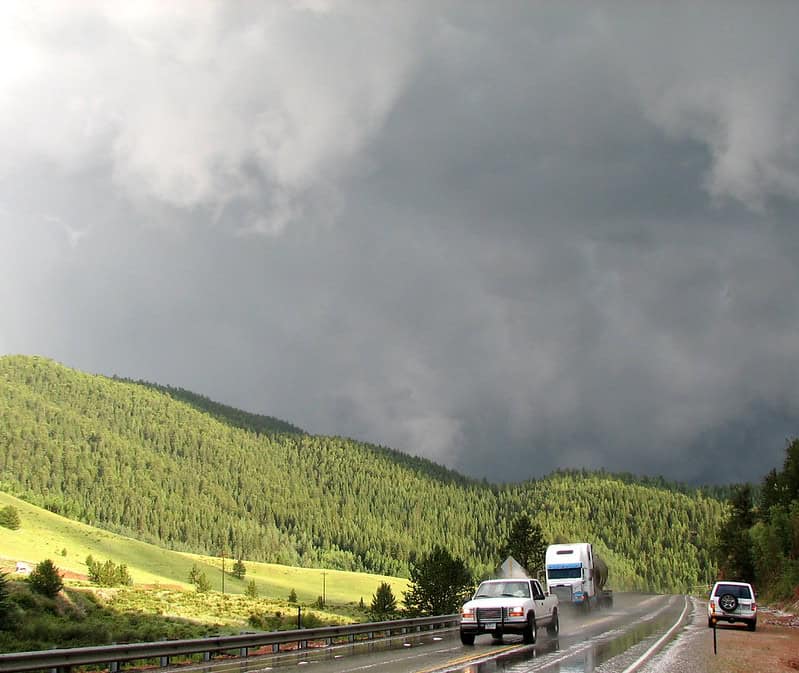
Pictured above: A hailstorm in Teller County, Central Colorado | Photo by James St. John
Why Colorado Gets So Much Hail
Colorado’s high elevation is the primary reason why the state gets hammered so consistently. Because the terrain sits so high, storm clouds form at a greater altitude in the atmosphere — where temperatures are significantly colder — and require far less energy to produce hail than storms at lower elevations.
As storms push over the Rocky Mountains, they squeeze out moisture that is already frozen solid at that altitude. When that moisture falls, it doesn’t have enough time to melt before reaching the ground — because the storms are already so high and cold that when any moisture comes out, everything up there is frozen. The result? Hail in the middle of summer, often with little warning.
Colorado Is in “Hail Alley”
Colorado’s Front Range sits in the heart of “hail alley,” a geographic corridor stretching east from the mountains that produces more large hail than nearly anywhere else in North America. The highest frequency of damaging hail concentrates near the Wyoming-Nebraska-Colorado border, making the northern Front Range particularly vulnerable.
When Does Colorado Hail Season Begin and Peak?
When the Season Starts
The official Colorado hail season runs from approximately April 15 to September 15. Activity begins picking up toward the end of April, and by early May, the ramp-up happens fast. One important timing note: monsoon season doesn’t typically arrive until late June, but hail season is already well underway by then. Don’t wait for dramatic summer storms to start thinking about preparation.
When Hail Peaks
According to data from Colorado State University’s climate center, severe hail days peak in early to mid-June. Starting in late April, activity builds quickly through early May. By late May through late June, the season hits its peak — this is when hail is most frequent and stones are largest. July sees a decrease in both frequency and intensity, and by mid-August the season is tapering toward its close.
Hail exceeding two inches in diameter — approaching softball size — is historically most likely from late May through the last week of June. One regional exception worth noting: in southeastern Colorado, including Pueblo, August is historically the worst hail month.
When the Season Ends
Hail activity tapers through August and into September, with the primary season closing around September 15. Front Range residents should stay alert through the end of summer even as storm frequency drops. Hail does occur in the high mountains during summer, but those stones tend to be small and soft, rarely causing meaningful damage.
Where Is Hail the Worst in Colorado?
Geography matters a great deal when it comes to hail risk — and not all parts of Colorado are equally exposed.
The Front Range Is Ground Zero
The Front Range (including Denver, Boulder, Fort Collins, and Colorado Springs) bears the heaviest burden of hail season. Storm clouds are still riding high in the atmosphere as they clear the mountains, creating near-ideal conditions for hail formation before storms reach populated areas. The Denver Metro has been the epicenter of Colorado’s most destructive hail events on record. A May 2017 storm alone caused approximately $2.3 billion in damage, making it the costliest hail event in state history.
The Eastern Plains vs. West of the Divide
The Eastern Plains receive meaningful hail throughout the season, but as storms move east and elevation drops, the atmosphere warms enough to reduce hail production — making it somewhat less likely than along the Front Range, though far from rare. Areas west of the Continental Divide see very little hail, with most reports concentrated near Grand Junction and the state’s southwestern corner.
Hailstone Size
Size determines damage. Hailstones of one to two inches in diameter occur regularly across eastern Colorado each summer, though typically over small areas. Stones up to 4.5 inches in diameter have been observed in northeastern Colorado — large enough to penetrate roofs. Colorado’s largest recorded hailstone measured 4.85 inches and weighed 8.5 ounces.
The Financial Toll: Colorado Hail Damage by the Numbers
Colorado hail damage is not just a nuisance — it is one of the most significant property loss events in the country.
Statewide Damage Totals
The numbers tell a striking story:
- Over the past decade, hail storms have caused more than $5 billion in insured damage across Colorado
- Residents can typically expect three to four catastrophic hail storms — defined as at least $25 million in insured losses — every single year
- Colorado consistently ranks No. 1 or No. 2 in the country for hail damage to cars and homes on a per capita basis
- For national context, NOAA’s Storm Prediction Center recorded 5,432 hail events across the U.S. in 2025 alone
How Hail Affects Colorado Home Insurance
The financial exposure makes home insurance review a seasonal necessity in Colorado, not an afterthought:
- Up to half of your homeowners premium may already be going toward hail and wind damage costs
- Comprehensive auto coverage covers hail damage and is strongly recommended for all Colorado drivers
- Hail-resistant roofing materials and IBHS Fortified-rated roofs can qualify homeowners for meaningful premium discounts
- Wood shake and non-hail-resistant roofs increase both premiums and deductibles — and raise the risk of non-renewal after multiple claims
- Before peak season arrives, review your policy carefully and pay close attention to your hail deductible — it may be higher than you expect
How to Prepare Before a Hail Storm Hits
Preparation before a hail storm is far less expensive than recovery after one.
Before the Season Peaks
The ramp-up in May happens fast — don’t wait until June to get ready:
- Review your homeowner, rental, and auto insurance policies now and confirm hail damage is covered
- Note your specific hail deductible — it is often higher than the standard deductible
- Schedule a roof inspection before June to identify existing vulnerabilities before peak season arrives
- If a roof replacement is on the horizon, research hail-resistant roofing materials — the investment pays off in both protection and premium savings
During and After a Hail Storm
- Do not go outside during active hail — the injury risk is real and your property can wait
- After the storm, check trees, shrubs, patio screens, and aluminum roof vents for damage — dented soft materials are strong indicators of roof impact
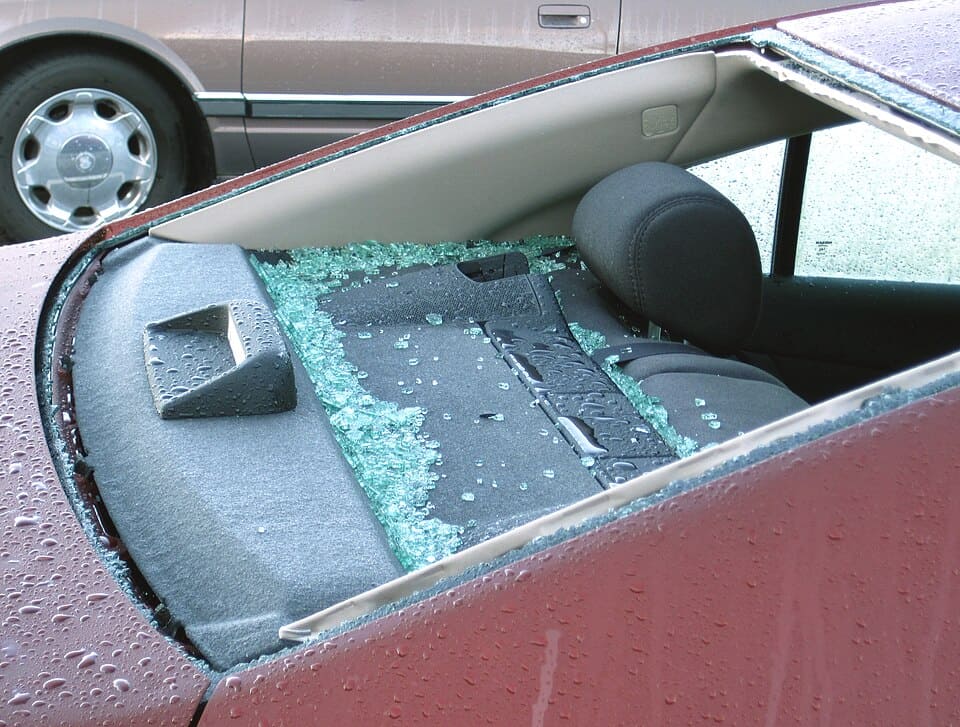
- Inspect vehicles for dents and broken glass
- Cover any broken windows or roof holes immediately to prevent water intrusion
Filing a Claim and Choosing a Contractor
- Contact your insurance agent as soon as damage is discovered
- Be cautious of out-of-town roofers who appear after major storms — choose local companies with verifiable references
- Always require proof of workers’ compensation and liability insurance before work begins
- Do not make final payment until the completed work has been fully inspected
FAQs
When does hail season start in Colorado?
The Colorado hail season officially begins around April 15, with activity accelerating noticeably through May.
What month has the most hail in Colorado?
June sees the peak of severe hail days across most of the state. In southeastern Colorado — including Pueblo — August is historically the worst month.
What size hail causes damage to a roof?
Hailstones one inch in diameter and above can cause damage. Stones two inches or larger significantly increase the risk of roof penetration and structural damage.
Is plowable hail really possible in Colorado?
Yes — hail accumulation during summer storms can be substantial enough to require shoveling or plowing, particularly along the Front Range.
Does comprehensive auto insurance cover hail damage in Colorado?
Yes. Comprehensive coverage covers hail damage and is strongly recommended for Colorado drivers given the state’s per capita damage ranking.